
 VANAD Engage is changing its name to VANAD Interactions. The company wants to emphasize its transformation from a BPO player to a service provider at the intersection of customer contact, people, and technology.
This isn't the first time VANAD Group has rebranded its CX division. The current VANAD Engage was previously known as VANAD Contact Centers Nederland BV, founded in 2005.
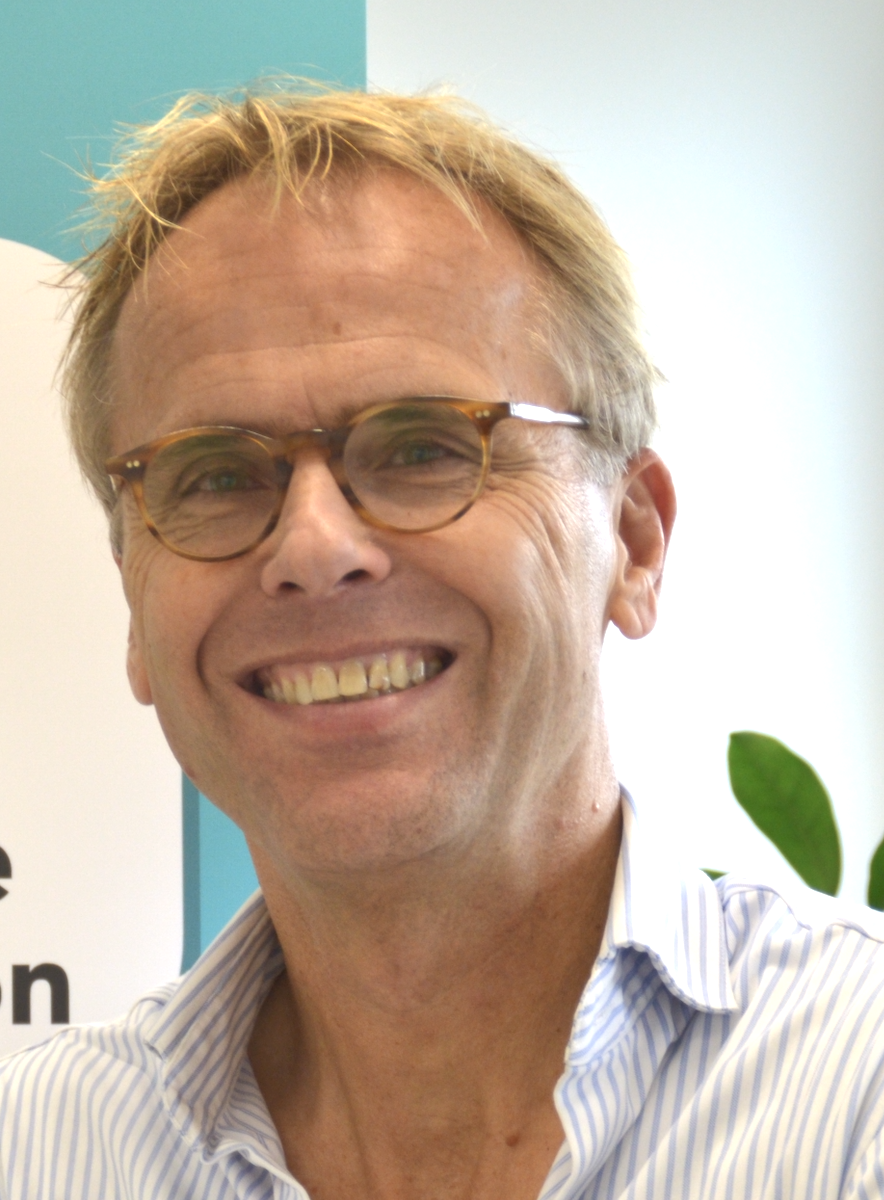
“The reason for this name change is the full integration of digital into our services,” explains Lenhard Los (CEO VANAD Interactions) explains. “Even though we're an established player, we like to position ourselves as a challenger. If you look at the developments in the field, it's less and less about even larger contact centers or even more offshoring. Instead, it's increasingly about transforming the field. Hence our payoff, 'Redefining Customer Experience.' This redefinition boils down to a smart combination of automation and digitalization, human service, and insights.”
Back to the roots
 VANAD Interactions' decision to expand its focus on technology is also being made elsewhere in the market, but Los emphasizes that for VANAD, this is a return to its roots. "This is where we come from: technology and people have always been our core business. In recent years, hundreds of companies and small businesses have entered the CX market. They don't understand much about our business. I believe we still make a difference in this market through our operational knowledge and experience in customer contact."
And furthermore, and this is also part of Redefining Customer Experience, we want to bring the customer perspective and customer experience back into customer interactions. You hear less and less about that in this field. That customer perspective is primarily about accessibility: consumers simply want quick and accurate answers, not menus and other obstacles. We agree as private individuals, but for some reason, we haven't been able to eliminate poor chatbots and other sources of irritation in our own field.
Exceptions
 At the same time, three-quarters of all queries—and we base this on our experiences with all our interactions with our partners—are easily handled. This enables the transformation from 'people who do the work'—supported by systems—to 'systems that do the basic work,' with people who address the exceptions. These same people are needed to further improve the systems. That is the challenge we face in this field in the coming years.
This assignment has also been formulated differently within the VANAD Group. For example, Ad Nederlof told Ziptone last year that he is convinced that within five years until three-quarters of agents are redundant.
Los responds: “Our ambition is to reduce live customer contact by 75 percent in the coming years – while ensuring that we are more accessible, provide much better answers and create a completely different customer experience. In our opinion, this process can only accelerate with further development in the field of the vocal tractThe technology for this is literally just around the corner. The prerequisites are that you have your knowledge and data in order and that you are able to unlock your processes one by one. This latter point is reflected in the experiences of most companies: they are gradually adopting AI. It's not a transformation in the form of a revolution: you have to work hard for it.
VANAD Inspire expands the working area – Will the rebranding have any consequences for other labels? Loose: “VANAD Inspire remains a separate brand within the VANAD Group and remains fully focused on the recruitment, staffing, and secondment of customer contact specialists. We have expanded our services to include recruitment and secondment of interim managers and professionals at both operational and strategic levels.
Ten to fifteen percent contact reduction per year
The CEO of VANAD Interactions doesn't mince his words: "Our clients would like to see a ten to fifteen percent reduction in contacts per year," says Los. "At the same time, we also face the challenge of being more connected with brands and delivering a better customer experience. Perhaps in the near future, we'll be creating more, rather than fewer, customer interactions. That game will certainly be redefined in the near future."
Los is referring to the challenge that companies need to consider more carefully the impact of digitalization and automation on CX. “The biggest challenge for organizations is the legacy processes that need to be broken down. AI performs better in a structured landscape. Moreover, you can achieve a great deal by using insights from your existing data. Which types of contacts lead to irritation? What areas do we need to address? Another step we will need to take is renewing the KPIs we use. In addition to traditional NPS or CES scores, there will be a need for indicators such as the 'percentage of correct answers' or 'AI accuracy' and the sentiment score of a customer journey. Or consider the 'ROI of automation'.”
Technology and sourcing
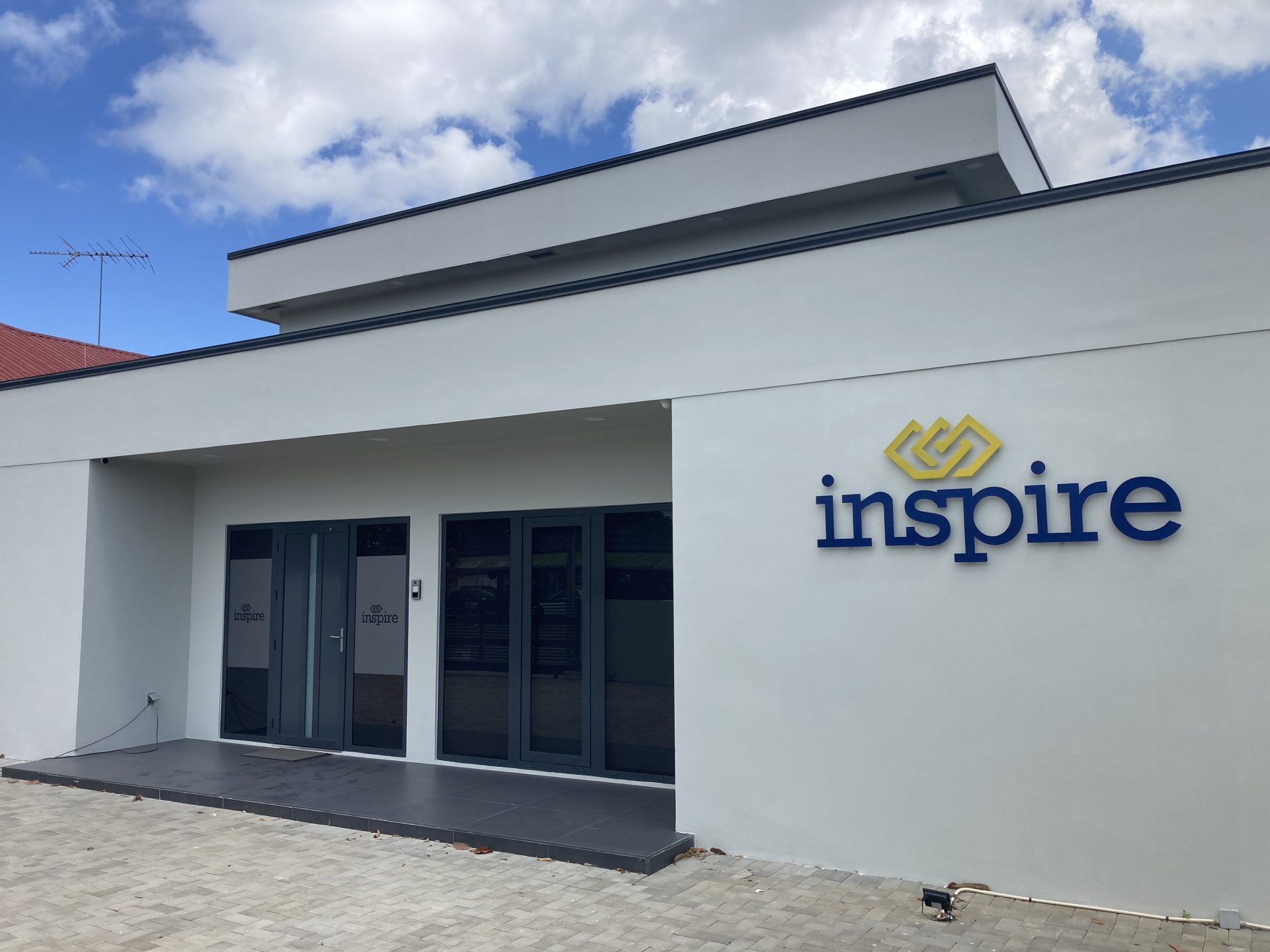 VANAD Interactions also operates in near- and offshore locations. How does a stronger focus on technology fit into VANAD Interactions' current BPO offerings, which include operations in Turkey and Suriname?
There's always a portion of customer contact that needs to be handled by people. You look at the best solution for each individual topic and customer. Sometimes laws and regulations play a role, and some partners strongly believe they absolutely want to serve customers in the Netherlands. But in the long run, sourcing is no longer about economies of scale; at least, we won't be focusing on 10.000 seats combined with translation modules.
"'Single sourcing of one' would be fantastic, of course, but we're not yet at the point where you're looking at the best place for handling each individual contact. We are looking at serving the patchwork of languages we have in Europe, for example, by integrating language areas. And routing based on a clear intent can also help with this. As far as we're concerned, the BPO landscape is shifting: previously primarily execution, now increasingly focused on the content of the interaction, optimization, and customer experience."
The field is moving again
If you look closely, this field has been quite stagnant for the past ten to fifteen years. Due to the enormous rise in costs, including wages, there has been an accelerated exodus abroad in recent years. We believe this is the prelude to something else: the biggest change is yet to come, in the form of far-reaching automation and digitization. With the choices we're making, we're eating away at a piece of our own BPO business, but that's not the point, and it's also a bit outdated. We want to do much more with all interactions within companies; that's where we can make a much greater impact. We're all in the midst of that journey now, although for many organizations, it's still to come.
People remain very important, but in a limited number of conversations.
The rise of automation and digitalization is prompting some customer contact professionals to think, "People will always be crucial in customer contact." What is Los's message to these senders?
"Then you're not really looking at what's going on. I still find it bizarre to see how much Dutch-speaking customer contact has shifted abroad, mainly due to cost considerations. People remain very important, but in a smaller number of conversations. We couldn't have foreseen the impact of AI ten years ago. It's now truly possible to use technology to make organizations more accessible and to help customers better. Things are changing much faster now, and if you're closed off to that, you're a bit of a climate denier in my opinion."
Who's going to do the non-happy flow?
Suppose that in four or five years, human customer service representatives will only handle the 25% of contacts that don't fall under the happy flow. Where or with whom will that portion of customer contact be handled by then?
Los's idea is that customers are incredibly happy every time they receive good personal assistance. "If you want to achieve that, you have to give employees the freedom to act. Consumers feel cheated if they're allowed to pay their bills but don't get answers to complicated questions."
Customer contact is becoming a boardroom topic at more and more companies. What we're currently doing with most of our partners is recalibrating their customer contact strategy. We're looking at developments in technology and voice, and what that means for our clients' businesses. This leads to incredibly interesting conversations. There's still some outdated thinking here and there. But the great thing is that we can now share all sorts of insights from customer interactions much more easily than before. And that leads to better input and prioritization in a multi-year plan, which answers the question, 'What challenges do we face in the coming period?'
(Ziptone/Erik Bouwer)


Also interesting
-
Inspire’s BPO activities now fall under VANAD Interactions; Inspire itself is spreading its wings and broadening its portfolio of…
-

At VANAD Engage, Zaman will be responsible for attracting international clients and optimizing the relationship with these…
-

VANAD Interactions has opened a new location in Paramaribo. This branch will serve as its headquarters in Suriname.