
 Work from home, that was anathema in the customer contact church for years. Facility contact centers that embraced the concept could count on pitying looks. But then corona came and it turned out to work very well, although it took some getting used to for the true micromanagers.
Now that the corona pandemic is far behind us for most people, the wind seems to be blowing the other way again. More and more employers are calling their employees back to the office. That yo-yo policy gives the impression that working from home is considered a passing fad.
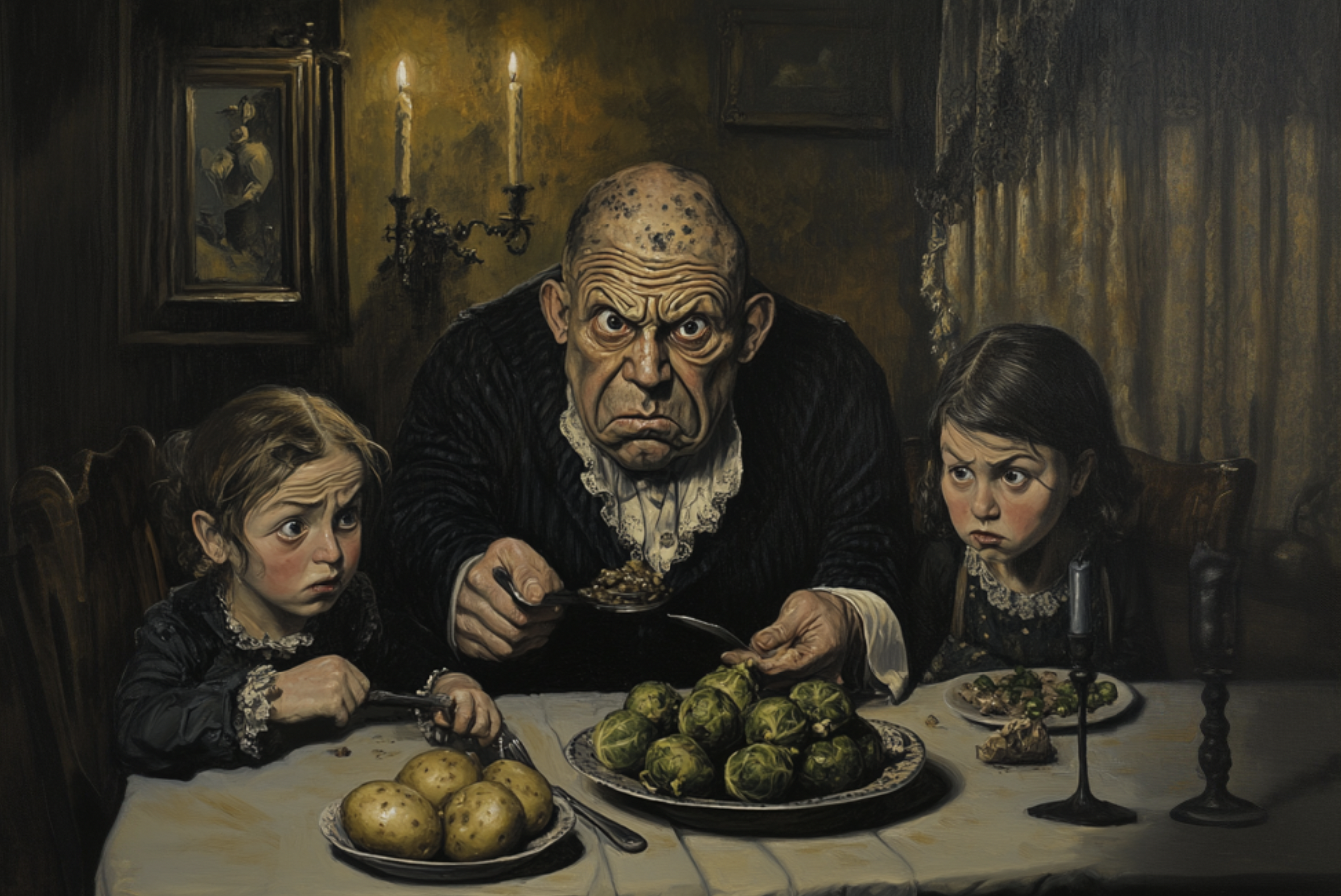
That all kinds of elements of social innovation would be a fad fits well with the current zeitgeist. Top managers are not only asking their staff back to the office. They are also saying goodbye to other proven effective principles. Many company canteens will smell of Brussels sprouts in the coming period, because employers are putting diversity policy on hold.
Round Table: Is an Office Commitment a Deal Breaker?
Intermediary did a question about 'back to the office' to which 920 readers responded. 'Is an office obligation a dealbreaker?' According to the magazine, we are an estimated five million Dutch people who regularly work from home, 'champions of working from home'. Three quarters of employees attach great value to working from home, according to the survey.
But the possibilities for this are gradually being limited. From one day a week at the office, regulations are now circulating again, such as three out of five days (PwC Netherlands) or four out of five days (advertising agency chain WPP) mandatory at the office. This sometimes leads to resistance and petitions. It must be said: a medical specialist, a carpenter, a firefighter or someone who works in landscaping cannot work from home. Does this make working from home a facility for luxury horses instead of workhorses? Does that explain why managers have weak knees?
Anyone who wants to reintroduce the time clock will ultimately shoot themselves in the foot – this is especially true for employers who are struggling with a tight labour market. If employers gradually close the door on flexible working, it is the employees who vote with their feet. For example, because working in a permanent smell of Brussels sprouts quickly becomes an aversion. But reversing flexibility also increases the pressure on the economy and society, which would benefit from it. Compulsory office hours make everyone's life more complicated.
Back to the office is back in time
Returning to the office is not only a logistical issue, but also a cultural issue. But for customer contact, it is even more than a cultural issue. The customer contact profession complains about rising labor costs, says it needs more highly qualified personnel and would like to keep them on board for a little longer than – say – three to 18 months.
For contact centers, a full return to the office would therefore be a fool’s errand. Offering flexibility – including working from home – is a proven way to increase engagement and satisfaction. Those who offer working from home as standard are fishing in a larger pond, especially when it comes to young inflow.
In short, employers in customer contact have a mission. Invest in modern leadership. Strengthen the vision of flexibility, so that it can withstand the pressure of advancing conservatism. Modern contact center management is no longer about physical presence, but about performance-oriented coaching, KPIs based on outcomes and smart use of data. Anyone who thinks that employees are only productive if they are permanently in sight is lagging behind. (Erik Bouwer/Ziptone)


Also interesting
-

Ziptone surveyed nine contact centers about their work-from-home policy following the court ruling regarding Booking.com.
-

From January 1, 2027, Belgian companies must have a system in place that allows employees to register how many hours they have worked.
-
Completely reversing the work-from-home option isn't a solution to a leadership problem. It's a missed opportunity.