
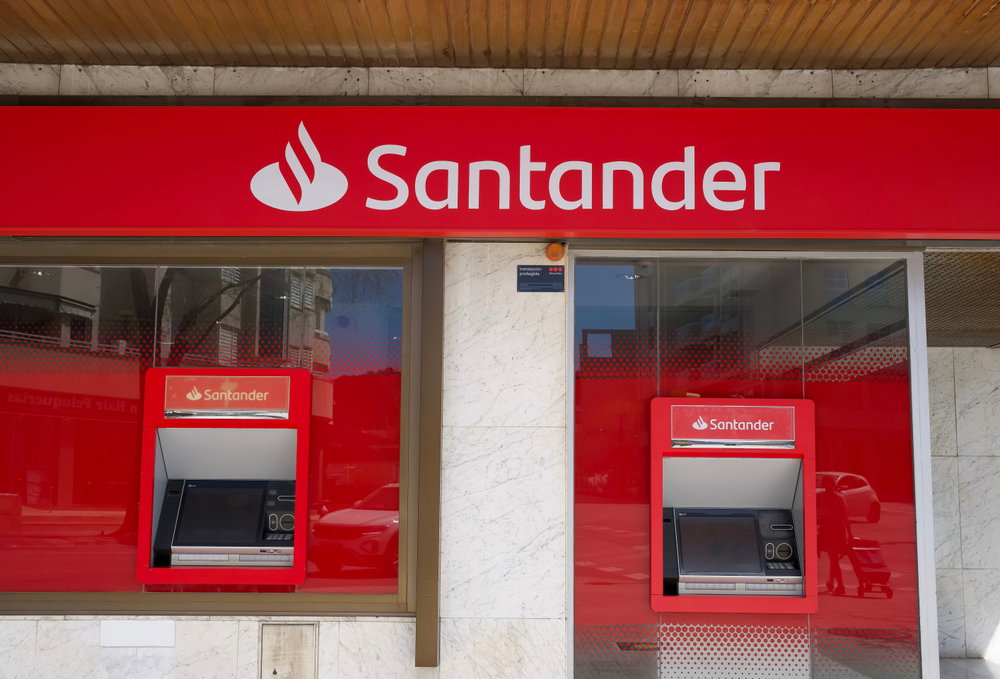
The Spanish Customer Service Law includes exceptions for the financial sector – Image: Shutterstock
On December 28, 2025, the much-discussed Customer Service Act came into effect in Spain. The "Ley de Servicios de Atención a la Clientela," or "Ley SAC" for short, is causing considerable headaches for Spanish companies and industry organizations.
The Spanish customer service sector must translate the new customer service law into concrete processes, KPIs, tools, and contracts with suppliers. introduction of the law A 12-month implementation period has been taken into account. The deadline for Spanish businesses is therefore December 28, 2026.
The Spanish industry association AEERC organized a webinar on the law on January 8. More than 450 professionals from contact center and CX functions, representing various sectors. AEERC presented an analysis of the final legislative text and attempted to answer as many questions as possible.
A lot of uncertainty
AEERC itself points to uncertainty in the business community, caused by "ambiguous and confusing" parts of the law. It appears that lawyers must first determine the precise meaning of the law before determining the necessary operational and technical measures. Facility contact centers also face practical questions.
One of the most challenging aspects of Spain's customer service law is the controversial "three-minute" standard, as the webinar reveals. The law stipulates that 95% of incoming calls must be answered within three minutes on average. However, no measurement method or time period is specified. Another question is how the government will enforce this.
By law, companies are also required to measure and document customer satisfaction. KPIs should be publicly published, and in addition, there is an audit requirement: annually for large companies and biennially for SMEs, performed by an accounting firm accredited by ENAC, with exceptions for the financial sector. This customer satisfaction data must be published in the first quarter of the year, including a comparison with the previous year's figures. However, these legal provisions regarding audits and the publication of customer satisfaction data do not apply to the financial sector, which has its own sectoral rules, according to the law.
Businesses are also required to establish partnerships with representative consumer organizations regarding customer service and quality assurance. This provision, too, does not apply to the financial sector.
Right to live contact
Spanish customer service law also stipulates that automated systems cannot be offered as the sole channel. Customers must be able to speak directly to a human agent upon request. Companies that currently rely heavily on IVR, voicebots, or chatbots may need to adapt their customer journey to include additional live customer contact, which will impact workforce management, opening hours, and costs.
The AEERC trade association noted that the government has included a lot of information in the law regarding the "what," but little about the "how." For example, it still lacks clear interpretations and enforceable guidelines.
The industry association is therefore pushing for the creation of a standardization group to develop a standard for applying the law. This standard will be monitored by the Spanish Association of Standardization, the Spanish equivalent of the Dutch NEN.
AEERC has established an online community where the sector can ask questions and answer questions. In early February, AEERC plans to organize a meeting where companies can share initial best practices regarding the application of the law.
(AEERC)


Also interesting
-

The new "Client Attention Services" law fails to prevent unwanted commercial calls, says industry association DigitalES.
-

Gartner expects that by 2030, the deployment of GenAI will cost on average more than $3 per customer contact, more than…
-

The Spanish Congress of Deputies today gave final approval to the Customer Service Law.