
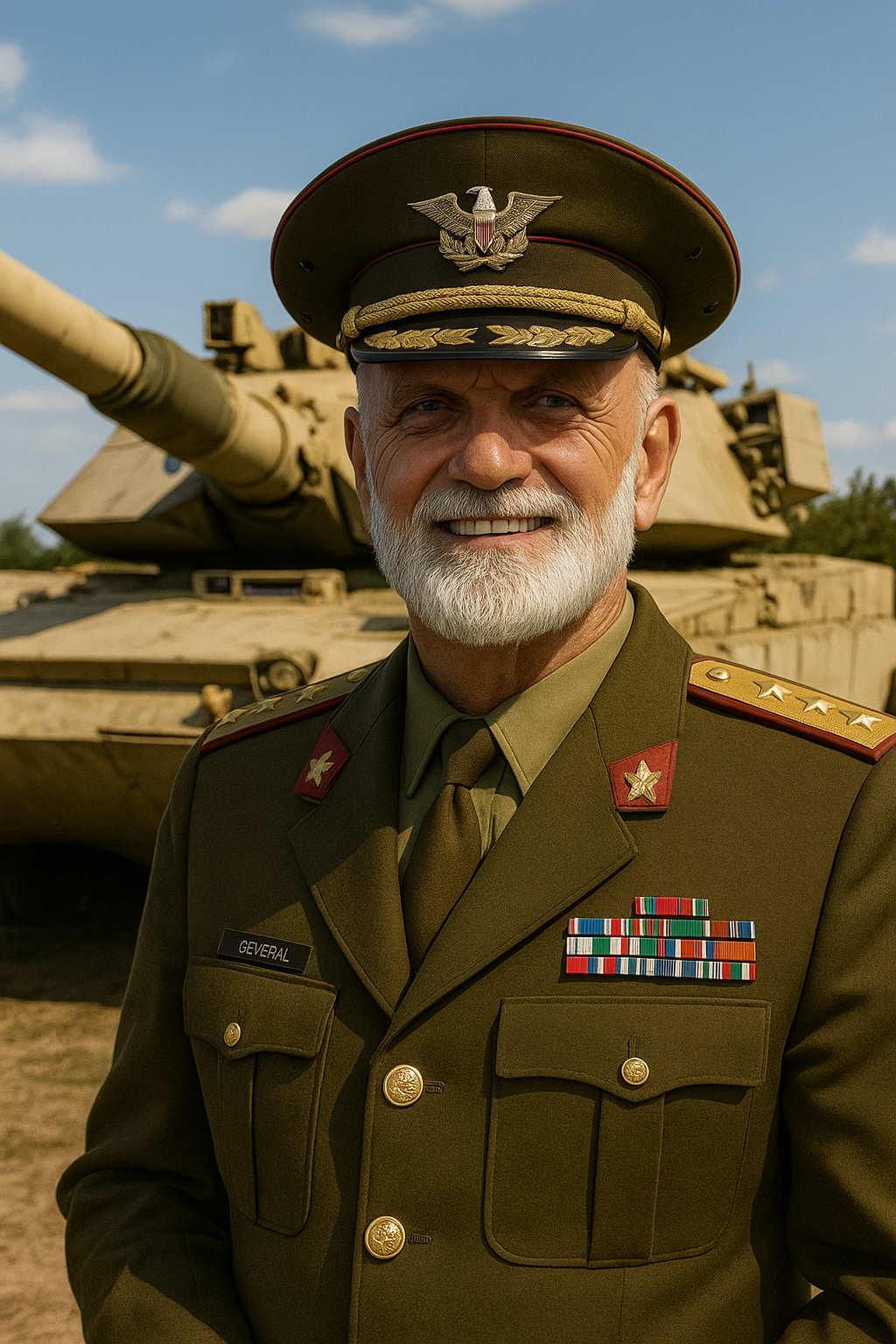
Image: Frans Reichardt/ChatGPT
The geopolitical unrest demonstrates that diplomatic codes also exist for communication surrounding major conflicts. Frans Reichardt is already looking ahead: what can you do if customers start using belligerent language towards customer service?
Will the warlike language we hear daily through the media sooner or later infect our interactions with our clients? In every international conflict—whether it's Russian invasions of Crimea and Ukraine, Israeli bombardments of Gaza, or Iranian rocket attacks on Israel and vice versa—we watch, see, and read the predictable reactions of government leaders and diplomats. They can deplore something, express their horror, disapprove of it, or condemn it. These are words that sound weighty, but in practice, they simply mean, "We don't like it, but go ahead, man."
There are diplomatic codes for such statements. Someone who deplores something says nothing and does nothing; someone who disapproves or condemns something says a little more, but keeps a safe distance and still does nothing. Only when war language is used, such as "This will not be without consequences," does the situation really get out of hand. Then things get serious, and it's time to be on the alert.
It's only a matter of time before our customers bombard us with the same message. What will that look like?
Subject: Serious escalation due to fan
Dear ladies and gentlemen,
With this statement, I express my serious concern about your TurboBreeze 9000 fan. After my recent purchase, our parakeet, and innocent family member, Vladimir, was blown out of his cage with unprecedented force.
We consider this a gross breach of domestic peace and I urge you to do everything in your power to prevent an escalation of this worrying situation and to provide us with appropriate compensation.
Awaiting your prompt response, I remain, with the highest respect,
Hotze K. Bokkel,
Uithuizerwoude
How do you respond to this as a professional in customer contact? There's a golden rule: be customer-focused, but not succumb to it. In other words, you respond kindly and empathetically, but don't immediately fall flat on your back. That would look like this:
Subject: Response to regrettable incident
Dear Mr. Bokkel,
We have learned with the utmost concern about the incident that cost your parakeet, Vladimir, his life. We deeply regret this and wish you and your family strength.
In accordance with our peace policy, we remain committed to ensuring our products function in an animal-friendly manner in our customers' homes. We urge calm and mutual understanding and are currently exploring all options to prevent similar incidents in the future.
As a testament to our commitment to sustainable standardization, we're offering you a €25 voucher and the option to exchange your TurboBreeze 9000 for a model with less strategic power, free of charge.
We trust that this will contribute to a peaceful restoration of our mutual understanding.
With warm regards,
Sabine de Jong,
Customer Service
I doubt it'll help to reprimand a customer who chooses to use belligerent language. Belligerent language is useless in customer contact. A good conversation will surely work better there; otherwise, you'll be out of luck for your customers (and their parakeets) in no time. Would it really be any different on the political stage?
I wish you a peaceful summer.
(Ziptone/Frans Reichardt)


Also interesting
-

When I share my experiences abroad in the Netherlands, they are rarely met with curiosity. Rather, with skepticism: 'Yes, but...'.
-

Frans Reichardt imagines what would happen if a company treated its customers the way political parties treat their voters.
-

How can you make your customers wait endlessly when it is abundantly clear that they don't have all the time in the world?