
What is currently happening on the Surinamese BPO market for customer contact and in which direction is it heading? What dilemmas do outsourcers face and what choices do service providers make? The six participants in the third Koetshuis conversation agree on one thing: offshoring customer contact offers opportunities for Suriname in several respects.
Discussion leader: Tom Jessen
Image: Soraya Ebrahimi
Text: Erik Bouwer
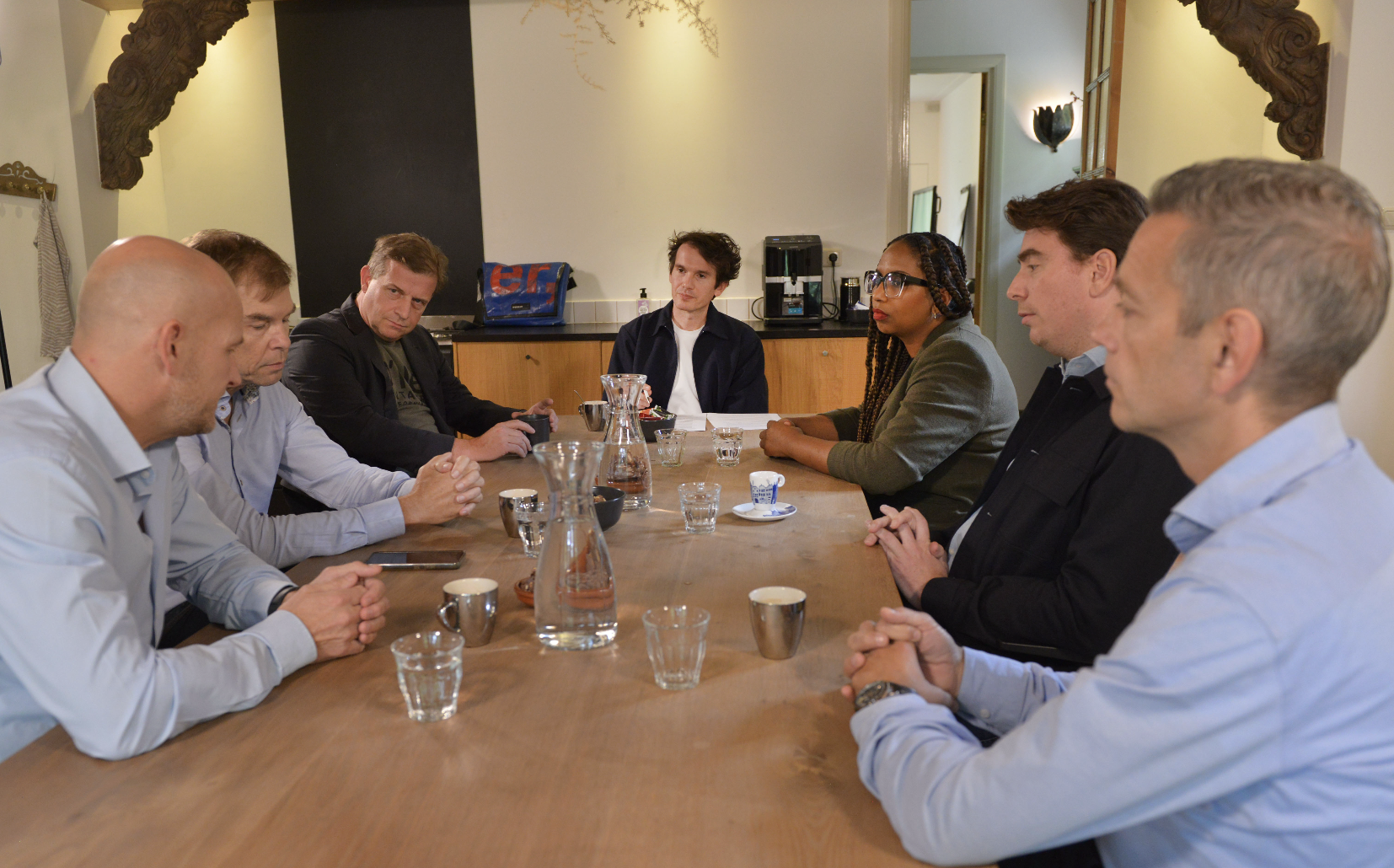
The participants (from left to right): Frank Veldhuizen, founder of Alembo and currently advisor to Teleperformance; Johan Bruggeman, partner manager Eneco; Roderik Mol, director CNV; Jasper Meerding, founder and CEO ContactCare; Ferdi Graus, partner manager VodafoneZiggo; Cheryl Pinas, Founder and Owner Fusion Outsourcing. Conversation Moderation: Tom Jessen
Why do you, as an organization, move your customer contact to Suriname?
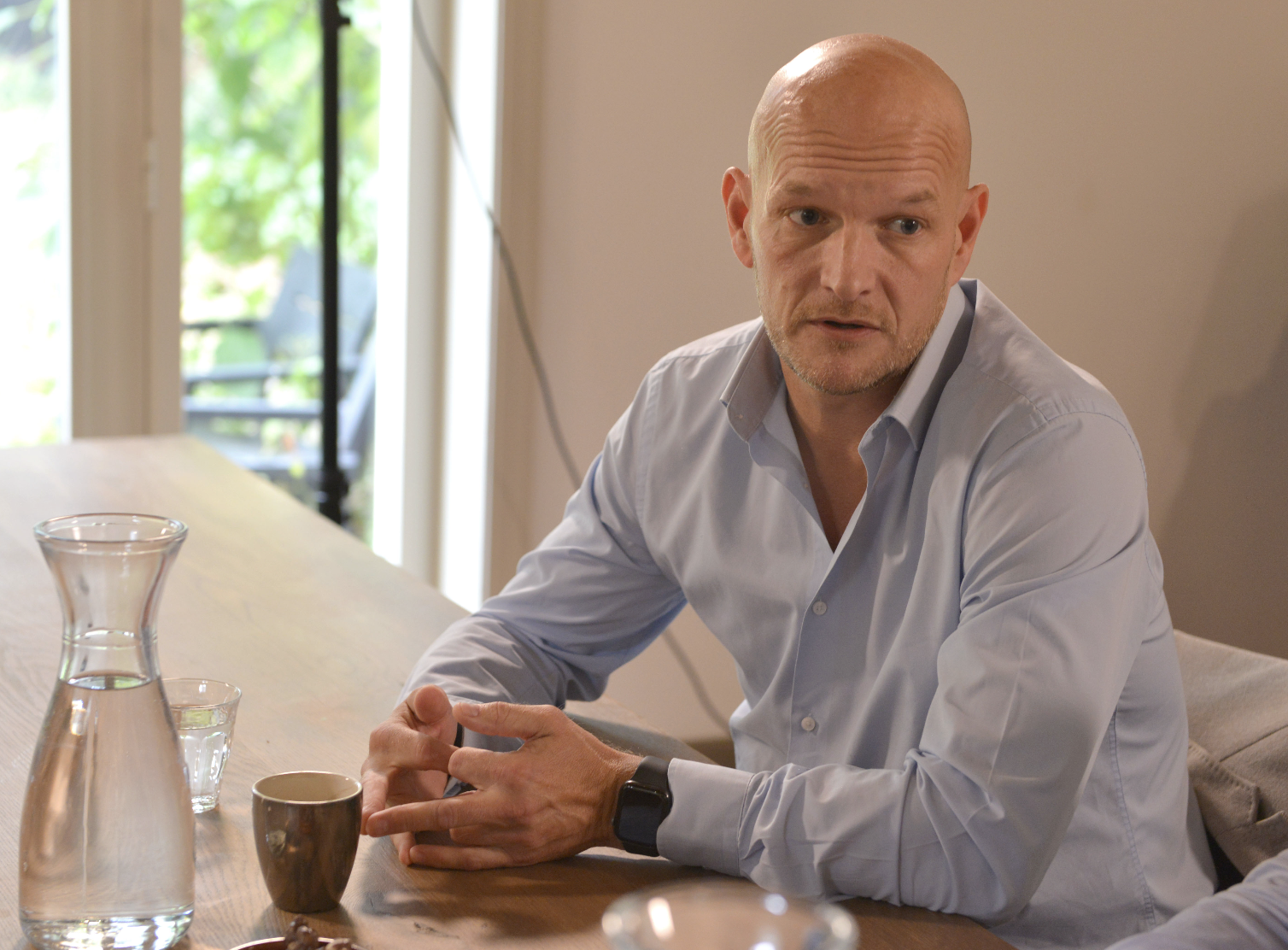
Johan Bruggeman, partner manager Eneco
Bruggemann Since April this year, Eneco has moved almost half of its customer contact to Suriname. A small part had already been outsourced to Suriname. Finding the right employees in the Netherlands is becoming increasingly difficult: there is a large supply of jobs. Furthermore, we have had good experiences in Suriname. The budget is also absolutely a part of the consideration.
Graus We have been active in Suriname since mid-2010 through two parties, namely Concentrix and Teleperformance. We believe in Dutch-speaking customer contact. For us, being able to build up experience – because people stay on board with you longer – is an important element. In Suriname we know how to bind employees to us longer, in the Netherlands that is a challenge. The financial component also plays a role with us, but if you were primarily going for low costs, you no longer have to choose Suriname. Then you use translation solutions, for example, and go to a random other country.
Is it a fact that it is difficult to find new employees in the Netherlands?
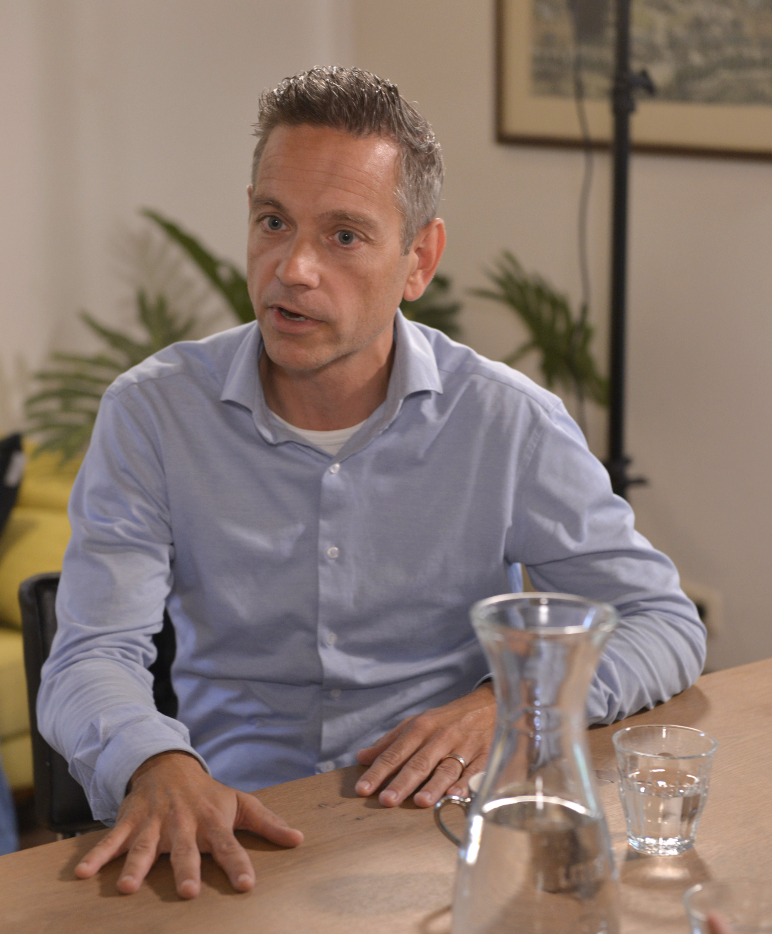
Ferdi Graus, partner manager VodafoneZiggo
Graus There are objective standards for this, such as the tension meter for the labor market. And it is especially difficult to keep well-qualified people for several years. We also have a role to play in this.
Meerding From the end of July until now, we had 600 applicants in Suriname, 60 in the Netherlands. Dutch candidates come out lower in our assessments. That makes it increasingly complicated to serve clients who want to accommodate their customer contact exclusively in the Netherlands. In the Netherlands, it remains a challenge to be able to ask a good hourly rate, for which you have to deliver everything as a facility worker. Five years ago, that was around thirty euros per hour, now it is quickly more than forty euros. Outsourcers prefer not to pay that.
Mol I also see that costs are rising and that the lowest price is almost always the priority. It is not a living wage that agents earn. Our commitment to the collective labor agreement will also be to make steps in that direction again. We also see that clients do not want to pay and that the facilities are in a squeeze.
These costs remain a hot topic. Is there still a future for customer contact in the Netherlands?
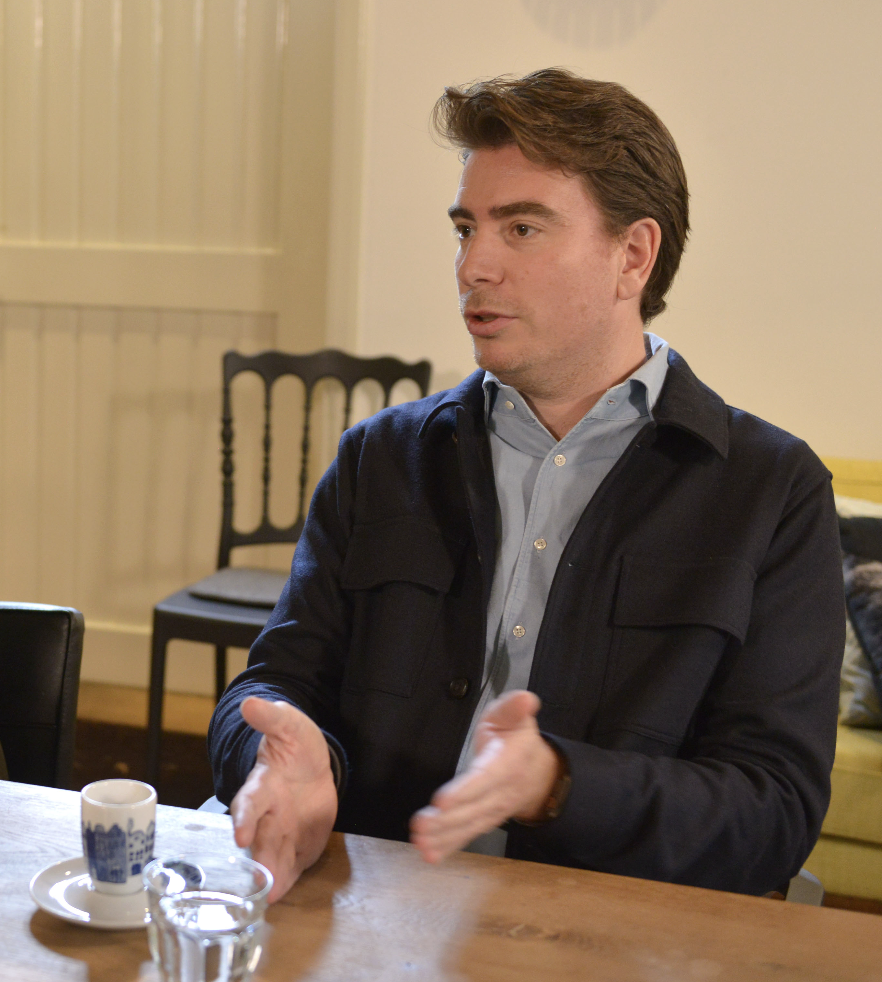
Jasper Meerding, founder and CEO ContactCare
Meerding I think it will definitely remain, especially high-quality services. But the size is decreasing. The parties that ensured the general binding declaration of the collective labor agreement had a total of 20.000 employees a few years ago, now that is about half. A lot of customer contact has been moved.
Graus I don't think that customer contact will disappear in the Netherlands. We are increasingly able to explain to shareholders, for example, that customer contact delivers value. You can digitize or automate everything, but then you opt for a cost strategy instead of a value strategy. We don't say: it has to be cheaper, so we are going to outsource more abroad.
Mol It remains strange that the employment conditions of companies that opt for offshoring are strongly focused on developing people, while when outsourcing, this is hardly reflected in the budget of the partners they choose.
Where are the differences in employment conditions?
Bruggemann In our recent search for new partners in Suriname, we did a lot of research into what we wanted to pay and into secondary conditions, such as health insurance, study opportunities, transportation. We then made a statement by setting requirements for the employment conditions of our employees: significantly higher than what was paid in Suriname up until then. That may have limited our choice somewhat, but was an important part of our RFP. We want employees to earn the right salary that fits the circumstances in Suriname. If you have to start at three in the morning, the transportation costs are part of your income if nothing has been arranged for that.
pins I know Surinamese society well, I am an insider. In general, people pay slightly above the minimum hourly wage. The exchange rate was 1 to 40 some time ago, but is now 1 to 30. Prices in the shops have not gone down, which means that the cost of living has gone up again. I have also seen conditions of parties that are not in order. For example: in the event of a failure of the emergency power supply or the VPN, people do not get paid because they cannot work.
Meerding The employment conditions as a whole are actually better than in the Netherlands. In case of illness, we pay 100 percent. The Surinamese employee is better protected – it resembles Dutch conditions from years ago.
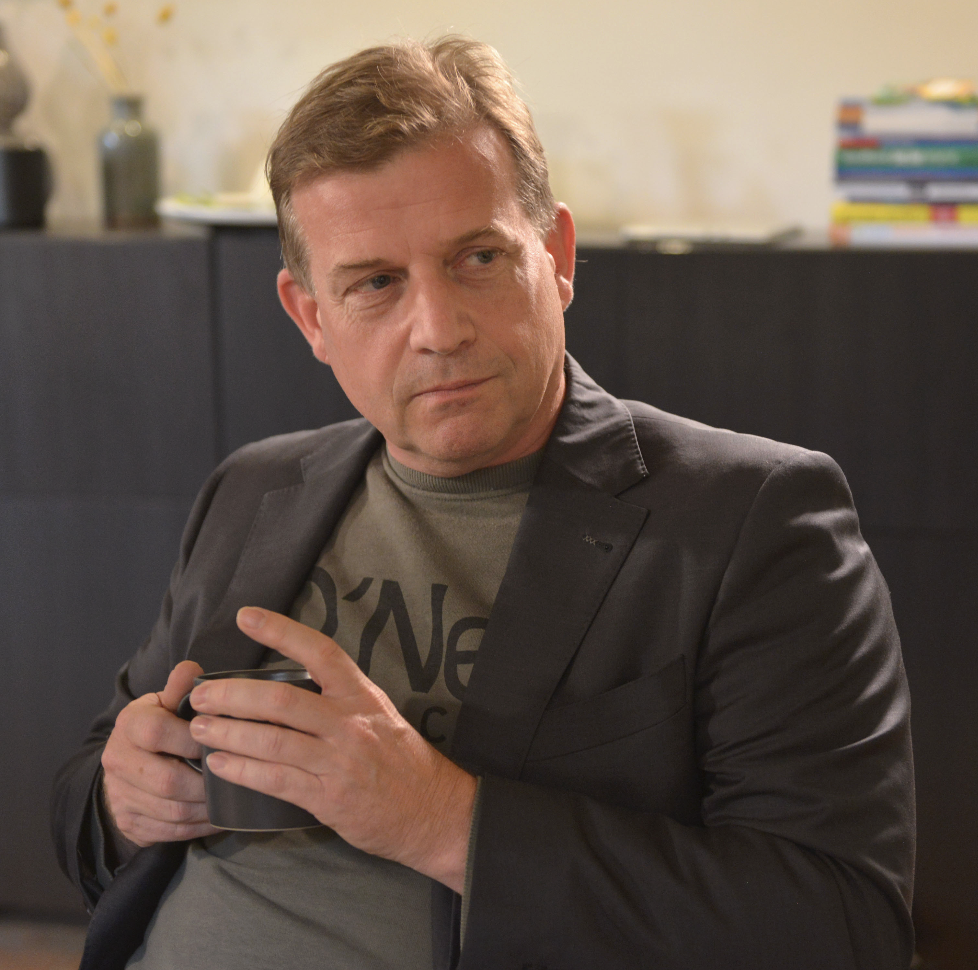
Roderik Mol, director of CNV
Mol It is remarkable that the working conditions in the Netherlands have deteriorated, so that no one wants to work in a contact center anymore. I wonder what happens if you start to turn the knobs of the working conditions in Suriname.
pins Surinamese value certainty. In customer contact, this is partly due to the fact that you are paid in euros. Employees are loyal. But there are also major players about whom I hear that scaling up and down – which is part of the industry – leads to problems. Employees incur considerable travel expenses so that they can start at three in the morning and are sent home a few hours later. That is definitely not motivating.
Bruggemann We have entered into a partnership with two relatively new players on the Surinamese market. Recruitment went well, but employees who already work in customer contact tend to stay where they were. They only want to switch when it is known that new players actually pay.
What do you think is the positive impact of offshoring customer contact in Suriname?
Graus It is striking that our Surinamese colleagues are extremely committed and hospitable.
pins Contact centers have sprung up like mushrooms here. It is now the go-to job for Surinamese. I see more and more highly educated Surinamese opting for staff positions in contact centers.
Meerding The appreciation of Dutch consumers is generally higher when they have contact with Surinamese employees. They are much more involved in the conversation, the consumer often finds it pleasant and feels heard.
Field houses Customer contact is, unlike the oil industry, a human-intensive process. The impact of the oil business is great on the economy, but somewhat more difficult to determine when it comes to individuals. In customer service, that impact on individuals is certainly there.
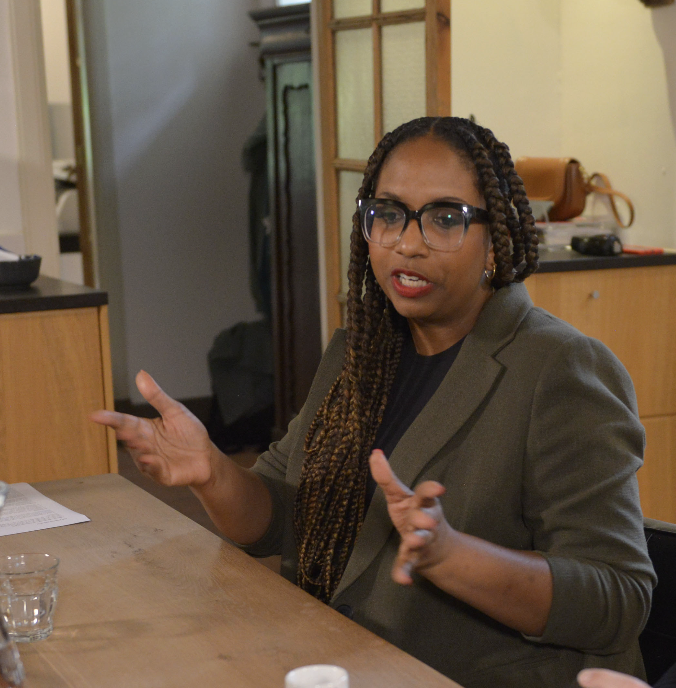
Cheryl Pinas, Founder and Owner Fusion Outsourcing
pins There is a serious brain drain from Suriname, I am part of it myself. I came to the Netherlands in 2001 for better career prospects. The accent I had in 2001 was a reason to reject me as a student for a job at a contact center. When I later went to work at Atos and I had to make a call for my laptop, I got my old neighbor from Paramaribo on the phone. Surinamese employees find it special to work for a foreign company. On the other hand, these people do not choose a job in education.
Meerding Surinamese people look at customer contact completely differently than the Dutch. They are proud and wear their badge and company polo everywhere.
Graus We should also try to regain that pride here in the Netherlands. Of course, the wages must be in order. We have made great strides, think of the collective labor agreement, and the opportunities for growth have improved. The turnover is too high, but I think that the task we have in the Netherlands is greater in some areas than in Suriname.
pins Can't you organize an exchange? Maybe the motivation of the Surinamese employees is contagious for Dutch customer contact employees.
CSR or ESG policy is becoming increasingly important for companies. How do you align offshoring to Suriname with your ESG goals?
Field houses In Suriname you can work completely according to your ESG objectives. Alembo was certified by MVO-Nederland a few years ago. We did not look at what our clients think about it; we find it important ourselves. For example, ten percent of our colleagues follow a higher professional education through us. The turnover is a good reflection of how a company is perceived by employees. For a long time we had an undesirable turnover of less than 1 percent.
Graus VodafoneZiggo works according to the Ecovadis guidelines, regardless of where we are active. This also applies to how you deal with all your suppliers. Our ambition is at platinum level. The turnover in Suriname was very low until recently, but is now increasing. The labor market in Suriname is developing.
Meerding We are the only contact center in the Netherlands and Suriname that is B-corp certified. Most of our clients like that, but it is not a requirement for every client. In October, schools will start again; we give all employees a reimbursement for teaching materials, which goes to their own children or family. In Suriname, you can make a much bigger and easier impact than in the Netherlands.
Mol If customer contact work is moved to Suriname, it will partly be night work. I know that many employees receive an allowance for this. But everyone also knows that night work is unhealthy. How does this relate to your ESG standards?
Meerding Not everyone starts at three o'clock - or four o'clock during winter time. I agree with you that you shouldn't do this for fifty years. People who work for the Surinamese government start at seven in the morning. Commercial companies often start even earlier. Grandparents look after children.
pins To what extent do you take into account a balance in the schedules when it comes to these less convenient hours?
Meerding We also look at the channels and the priority with our clients, but there are indeed tasks that start at eight o'clock Dutch time.
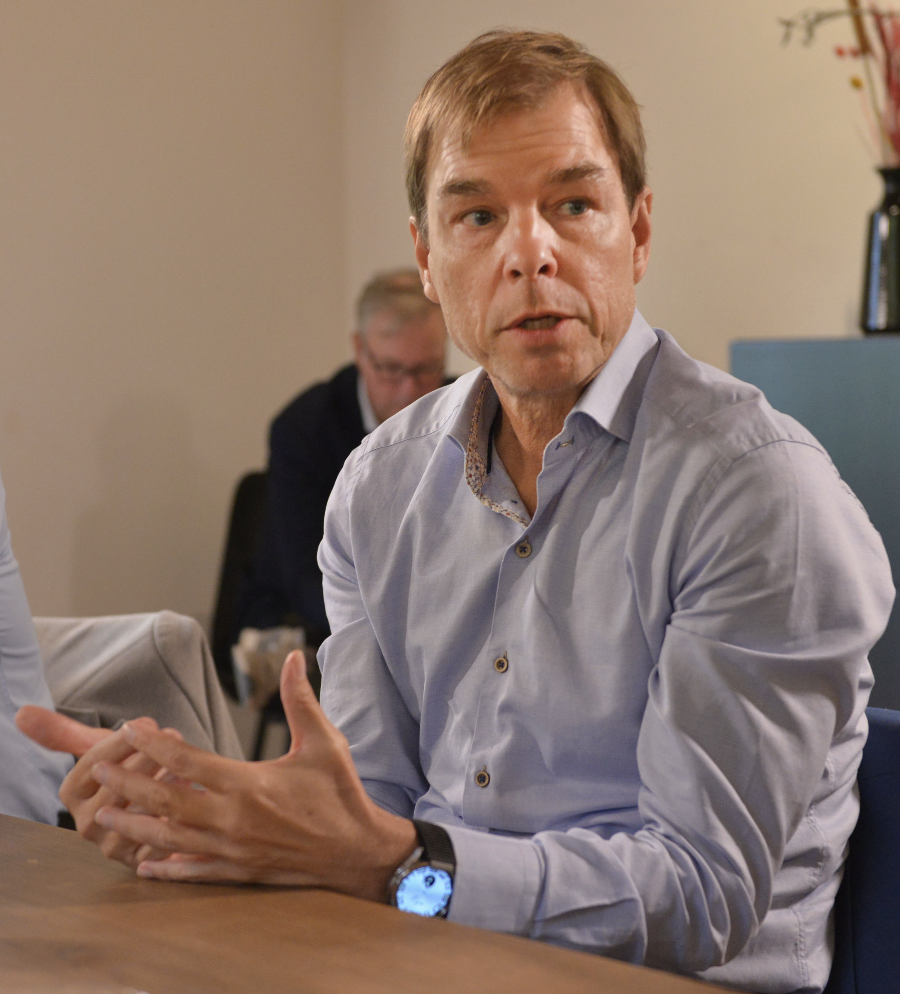
Frank Veldhuizen, founder of Alembo and currently advisor to Teleperformance
Field houses Indeed, not everyone starts at three o'clock. Where possible, we also try to get the start time to four o'clock. But it remains difficult and you can hardly prevent it. Monday morning nine o'clock is almost always the busiest. Starting early also has advantages. If one person finishes work in the afternoon, the other in a family can start his or her job. As an employer, you also have a responsibility, which is why we opt for non-voice customer contact for a start around six or seven o'clock.
Suriname is ranked 87th in the corruption perception index, a list of 180 countries. Can the professionalization of the industry have a positive influence here?
Meerding Entrepreneurs like us bring euros to Suriname every month. That is where the facilities and salaries are paid. We ensure that Surinamese employees get a bank account, that is not standard.
Field houses The arrival of large parties can also help. Parties such as Eneco or VodafoneZiggo cannot take the risk of participating in any form of corruption.
pins Years ago I had to go to the hospital for a scan. I was told that this was not possible. If I had not known someone from another hospital, I would not have had a scan and would not have been admitted to the hospital for an operation immediately afterwards. That is also a form of corruption. Many Surinamese people have a little bit of corruption: often you can arrange something faster by working around the official process. If people are increasingly confronted with professionalism, with working within frameworks and daring to let go of their job with the government, this certainly contributes to becoming more resilient to corruption.
How do you deal with cultural differences and differences in values and norms?
Graus There are indeed cultural differences. But it is not necessary to teach the Surinamese employee to react as a Dutch employee would. It also goes too far to dictate how exactly they should do their work. We can learn a lot from each other.
Field houses You will have to explain what it means when a heating pipe ticks or what a fuse box is. But when employees have been on board for a longer period of time, they know exactly what is meant and these cultural differences are no longer a problem.
pins To what extent do you experience Dutch customers imitating the accent of the Surinamese employee or making nasty comments?
 Graus That still happens and I think that is a big problem. We have set up a process for reporting inappropriate behavior. People feel a threshold to report, so we encourage this. The employee can indicate what he or she means by 'inappropriate'. We have received 300 reports so far, which we investigate one by one. We contact the customer to let them know that as a company we do not accept inappropriate behavior. If the customer does not relent, we will terminate the contract with the customer in the most extreme case.
Meerding ContactCare has been active in Suriname for a year now and now has around 75 employees. For us, these have been incidents so far. When we talk to our clients about rate increases of 20 percent and suggest Suriname as an alternative, we sometimes encounter prejudices. As soon as they come into contact with it more, that changes.
Bruggemann In Suriname, people are less inclined to stand up and report or ask things. We learned a lot from that.
Mol We regularly hear from employees that they are being approached in a racist manner by customers. It is good that this is taken seriously and that action is taken.
To what extent will AI influence offshoring to Suriname?
Meerding AI offers many possibilities. It is still a tool at the moment. I think that shifts will occur. Non-voice contacts are easier to automate. Our number of hours is not decreasing yet, but I do read many stories about new applications. The greatest opportunities lie in real-time translation. Soon we will no longer be dependent on the Dutch or Surinamese labor market, but there will be a global labor market. The language barrier will disappear. Dutch contact center employees increasingly want to work from home; the buzz that you used to be able to feel on the contact center floor has disappeared. Someone who was treated unfairly on the phone used to have a few employees standing around him immediately, because they saw what was going on. The employee who is at home is less likely to take that step forward. Now you have to help such a colleague remotely. AI can also offer many possibilities in this area.
Field houses AI is still a tool now, but the future looks exciting. Personally, I expect AI to do more and more.
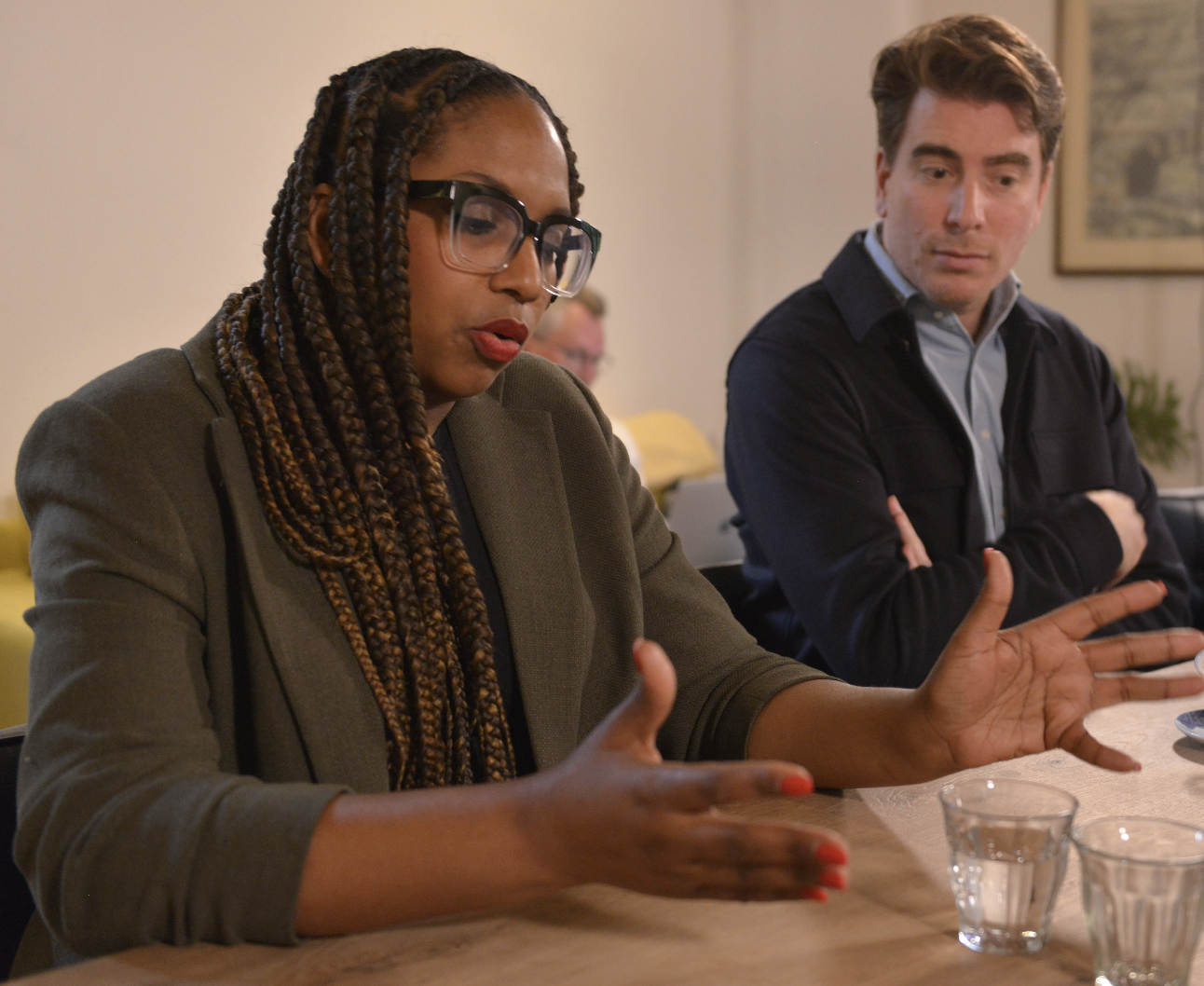 pins AI can support in many areas. That is why I also want to set up a software development course. I do this together with partners in the financial services sector. To start with, I want to train people as conversational AI specialists myself. I also do not expect customer contact to disappear, but I am a little concerned. Customer contact in Suriname has grown explosively. It can also shrink very quickly.
Meerding We also train our employees for other functions in customer contact, such as planners or assistant accountants. There are still many opportunities in Suriname.
Mol If you stick to the route that it has to be cheaper and cheaper, then I see it bleak. Then it is a matter of time before customer contact is moved to a location where the costs are even lower. But you can also take a different path with AI, for example focused on opportunities.
Graus We need to make sure we maintain good contact with local management and continue to explain what the Dutch customer expects from VodafoneZiggo. I also find the enormous growth of customer contact in Suriname in recent years exciting. We all have a responsibility not to let the sector in Suriname succumb to its own success.
Field houses I expect the BPO sector in Suriname to be bigger in five years than it is now. Customer contact is just the beginning; the service provision will mainly grow in breadth. In the Netherlands, there are not enough hands to do the work.
Bruggemann I think that in five years, customer contact will still be processed. I do think that the nature of the work will be different. A lot depends on which customer contact you would like to automate. We should mainly look at customers: what do they still want to have human contact about? That will be the crux of the matter in the coming years.
pins I have a tip for the colleagues at this table. The Surinamese civil service is far too slow. Political parties try to win votes by offering people a job with the government. People do not dare to give up a job with the government quickly, they value security. There is much to be gained by enticing people who work for the government to work as specialists in the BPO sector.
(Ziptone/Erik Bouwer)
The Koetshuis conversations – In 2024, the KSF trade association and the Ziptone trade journal will organize four round table discussions on current topics in the field. The discussions will take place in Doorn and will be led by Tom Jessen; Ziptone will report. Previous themes so far: the affordability of customer contact en the development of the profession.


Also interesting
-

When is customer contact 'affordable' – and for whom? What can you do as a contact center manager with the 'polluter pays' principle?
-

The Surinamese government advises customers to use digital channels as much as possible.
-

The new location replaces an old location that will close in early 2024.