
The bill to amend the telemarketing rules of Mona Keijzer (Economic Affairs and Climate) will shortly be submitted to the Council of State for advice. Keijzer expects it to be presented to the House of Representatives in the first quarter of 2020.
In the proposal, the existing opt-out system of telemarketing is replaced by opt-in - where people must indicate precisely when they want to be called instead of the other way around. This adjustment is the result of the government's wish to better protect consumers and entrepreneurs without legal personality, such as sole proprietorships, general partnerships, limited partnerships and partnerships ('natural persons') against unsolicited telemarketing and the annoyance this causes. .
Uit research among consumers, conducted last summer by research agency Kantar Public, shows that consumer irritation about telemarketing remains as high as ever. The Secretary of State puts in her progress letter that it has given the telemarketing sector the opportunity to draw up its own rules with regard to the customer term, the period that companies are allowed to approach (former) customers with a new offer. The sector has announced that it is working hard to come up with an amended Telemarketing Advertising Code and Telemarketing Code of Conduct before 1 January 2020. Keijzer states that he is keeping a finger on the pulse of the effect of the adjustments to self-regulation by regularly conducting a survey among consumers.
Kantar Public's research shows that the majority of Dutch people aged 18 and older have been approached by commercial organizations with a product range. Cold calling is (almost) never appreciated, says Kantar. This applies to both commercial organizations and charities. Complaints are made more often about telephone calls from commercial organizations (42%) than about charitable organizations (21%). A quarter thinks it should be easier for charities to call than for commercial organisations, but the majority (57%) do not think it should be easier for charities to approach citizens. When it comes to never being allowed to call, people are a bit more lenient towards charities than for commercial organisations, but for both branches, people prefer never to be called. Citizens who have registered in the Do-not-call-me Register are particularly negative about telemarketing.
Also interesting
-
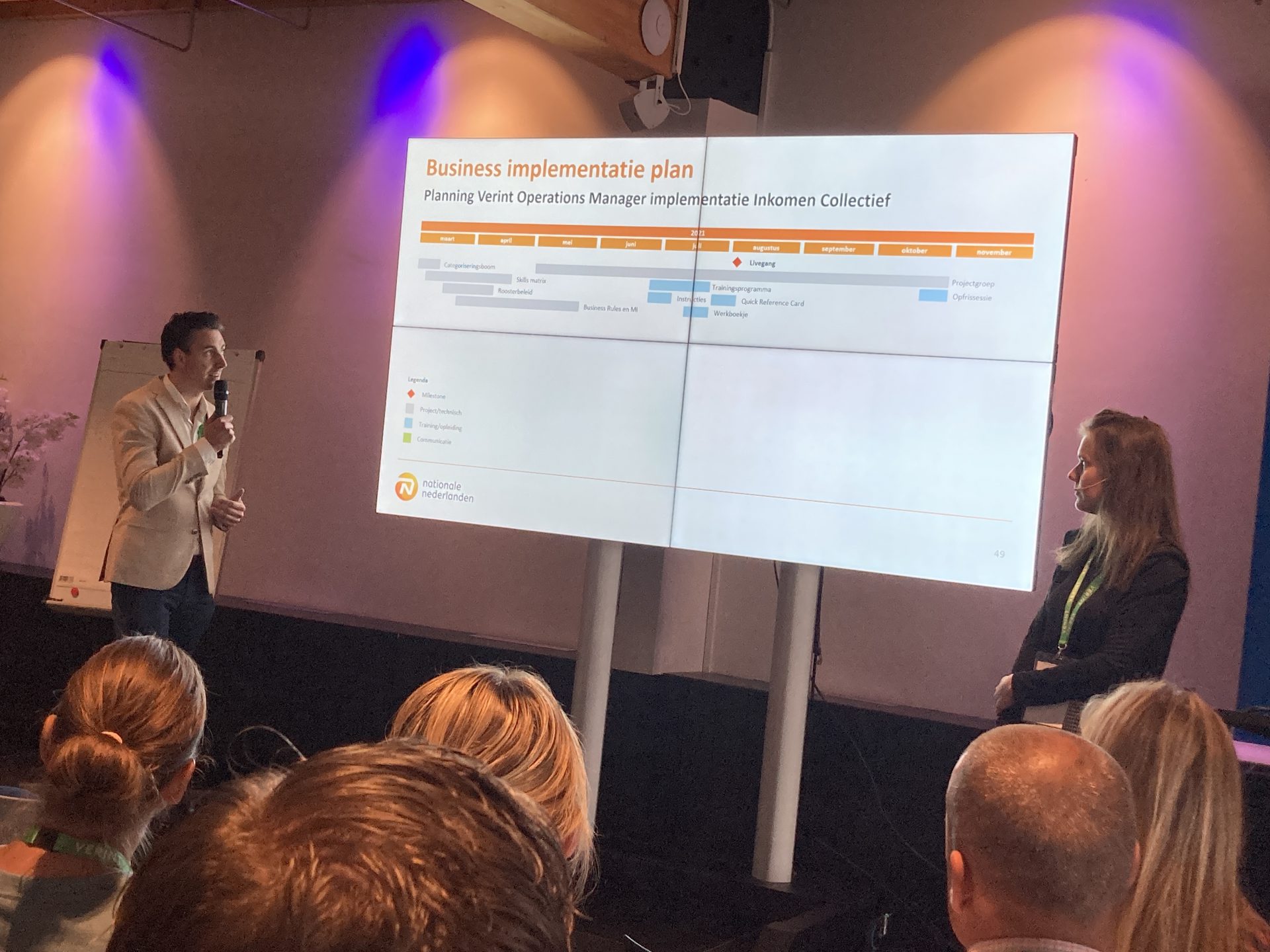
Nationale-Nederlanden and VodafoneZiggo share their experiences with the use of data to improve processes in customer service…
-

The number of organizations confronting customers with waiting times is increasing. How resilient are customer service…
-

Police on the sidewalk, entrance cordoned off with ribbons and no one left the hotel. In…