
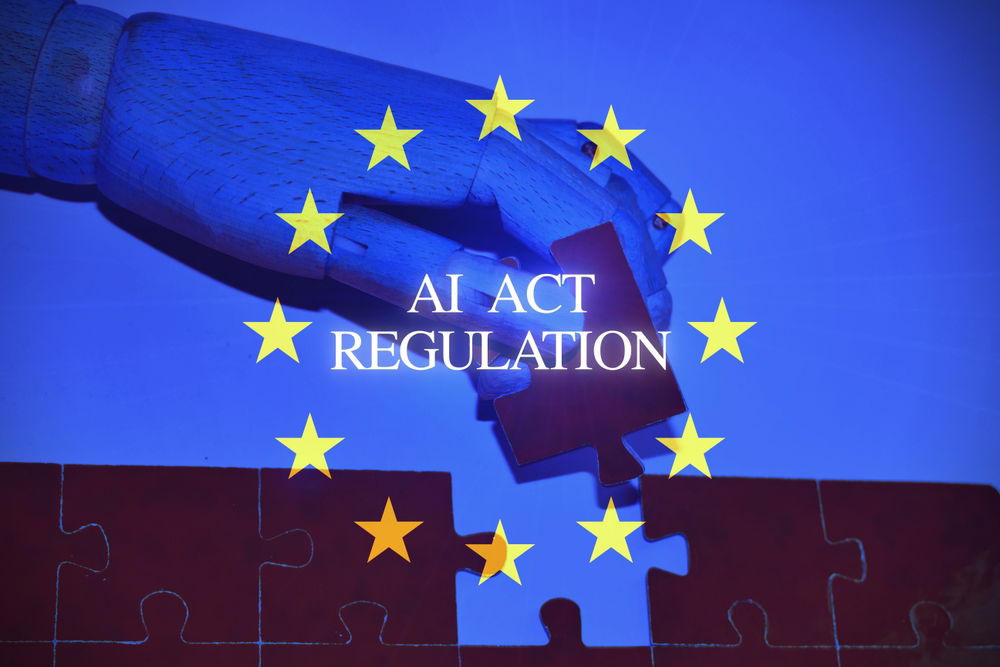
 On August 1, 2024, the European AI Regulation (AI Act) will come into effect. As of August 1, there is a period that organizations must use to prepare for the obligations in the law. This transition period lasts a maximum of three years and varies per part of the AI Act.
The first 'deadline' takes place in six months: the so-called prohibitions will come into effect on February 1, 2025. This involves introducing a ban on the most profound applications of AI, which the EU has decided should be banned. This includes systems that provide mass surveillance and social monitoring, such as in China. In our country, the Dutch Data Protection Authority acts as supervisor in this area.
More important for the Netherlands BV and also relevant for the customer contact sector are the rules that will apply as of August 1, 2025. Then the requirements become those General purpose AI models are posed, in force. Companies that use GenAI applications to generate text, images, code, video or sound based on prompts must meet certain transparency safeguards.
From August 1, 2026, organizations must have identified – and apply the relevant rules – which AI applications entail an increased risk. This will be subject to obligations from August 1, 2026, such as a risk management system and technical documentation. Data sets must also meet certain quality requirements. (Ziptone/editors)
Also interesting
-

Generative AI will cost jobs, create jobs and could lead to job losses,…
-

The future-oriented vision should contribute to KSF and KSF members being well prepared for...
-
Currently, 38% of organizations apply AI in customer contact, while another 41% of…