
 Briefly
- Awareness of the European Digital Services Act (DSA) is low among users.
- Many of them do not know what their rights are on online platforms.
- This week, the ACM is launching an information campaign.
Deception by algorithms that determine what they see, blocking of accounts or content without explanation, and poor contact options: these are the main complaints of both consumers and business users when doing business with online platforms.
Only one contact channel
For example, users very often experience that they can only contact an automated point of contact, such as a chatbot. This is not allowed according to DSA legislationThe Netherlands Authority for Consumers and Markets (ACM) research shows that two-thirds of consumers experience DSA-related problems. At the same time, many users are unaware that European regulations have been in effect since the beginning of 2024 to address precisely these types of problems, and what the rules are for online platforms under this legislation.
Since February 2025, the Netherlands Authority for Consumers and Markets (ACM) has been officially authorized to monitor compliance with the DSA. The ACM commissioned user surveys to prepare for the new supervisory responsibilities and to strengthen its information provision.
Since the DSA entered into force in August 2023, the Netherlands Authority for Consumers and Markets (ACM) has received nearly 700 reports. The majority of these concerned account and content restrictions, reporting and handling illegal content, and contact and accessibility issues. Approximately two-thirds of the reports concerned services established in other Member States. The ACM forwarded these to the supervisory authorities in the relevant Member States.
Low awareness of DSA
Research by the Netherlands Authority for Consumers and Markets (ACM) covering the period 2023-2025 shows that awareness of the European Digital Services Act (DSA) among online platform users is remarkably low. Many consumers and business users are often unaware of their rights when using these online services. The ACM previously launched the DSA. DSA check for website owners, for example.
ACM board member Manon Leijten: “It's understandable that not everyone is fully aware of the relatively new European legislation. But it's important that users know their rights, so they can take action if something goes wrong. Many people and businesses experience problems on platforms, but don't know they can report them. With the campaign we're launching this week, we want to raise awareness so users can take action themselves against the platform or against us as the regulator. Together, we ensure reliable online platforms.”
Information campaign and call
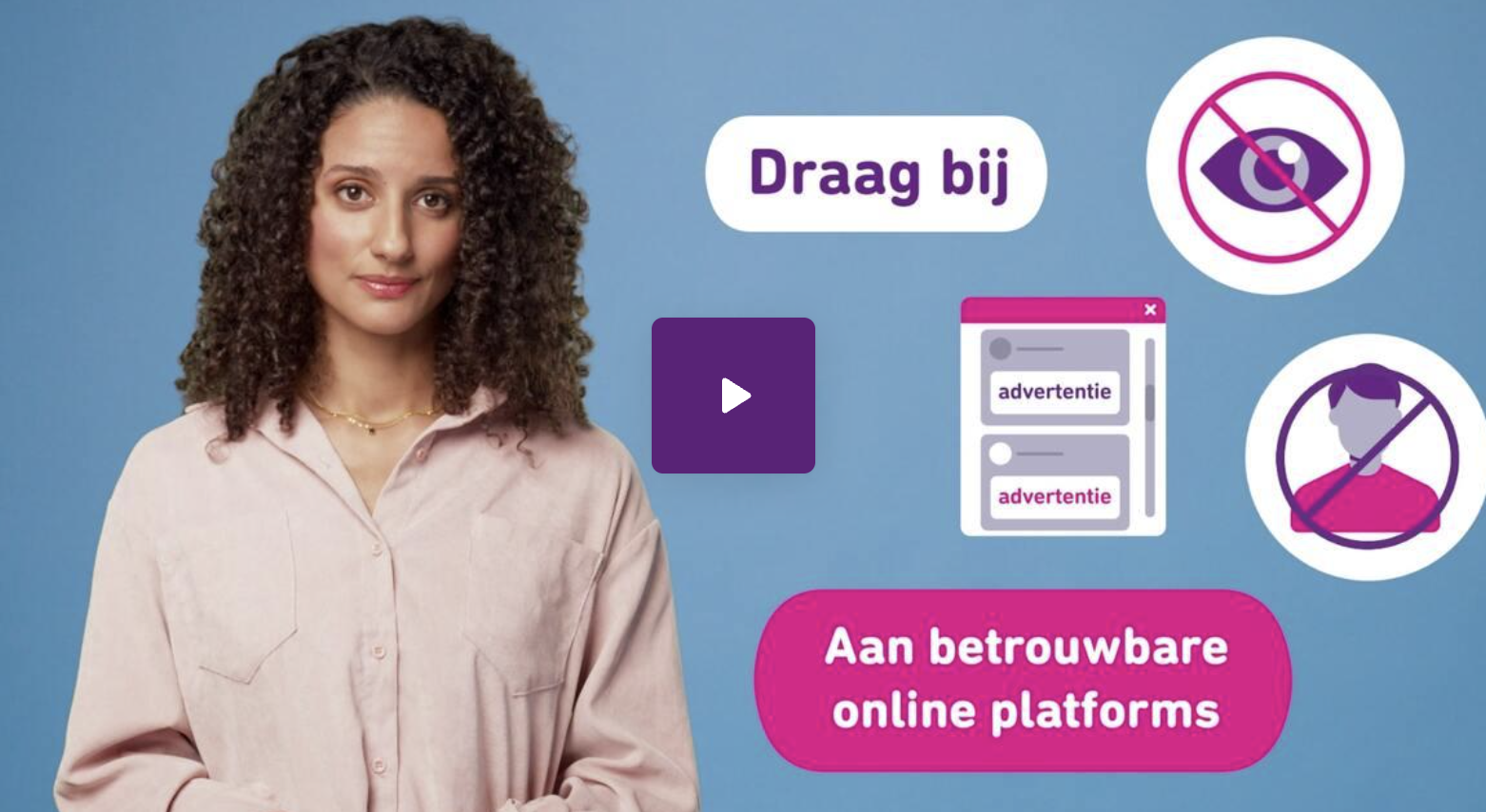
The Netherlands Authority for Consumers and Markets (ACM) is therefore launching an information campaign this week to inform users of their rights on online platforms and what they can do if they are violated. The campaign includes the launch of short explanatory videos on social media. In these videos, the ACM will highlight three common problems: illegal content, account blocking, and a lack of transparency regarding paid advertising.
The Netherlands Authority for Consumers and Markets (ACM) also urges platform users to file a report if they believe their rights are being violated. This can be done via the ACM Consuwijzer website. These reports help the ACM monitor and, where necessary, take action against platforms that violate the rules.
Commissioned by the Netherlands Authority for Consumers and Markets (ACM), the experiences of online platform users were mapped through interviews and surveys. A total of 600 business users and over 1800 consumers participated. (ACM, Ziptone)
Also interesting
-

73% of consumers miss human contact, but 51% prefer quick contact with a…
-

Effective today, July 1, 2026, a full opt-in applies to outgoing calls with a commercial…
-
Many webshops do not take the legal obligations regarding digital accessibility seriously, it appears…