
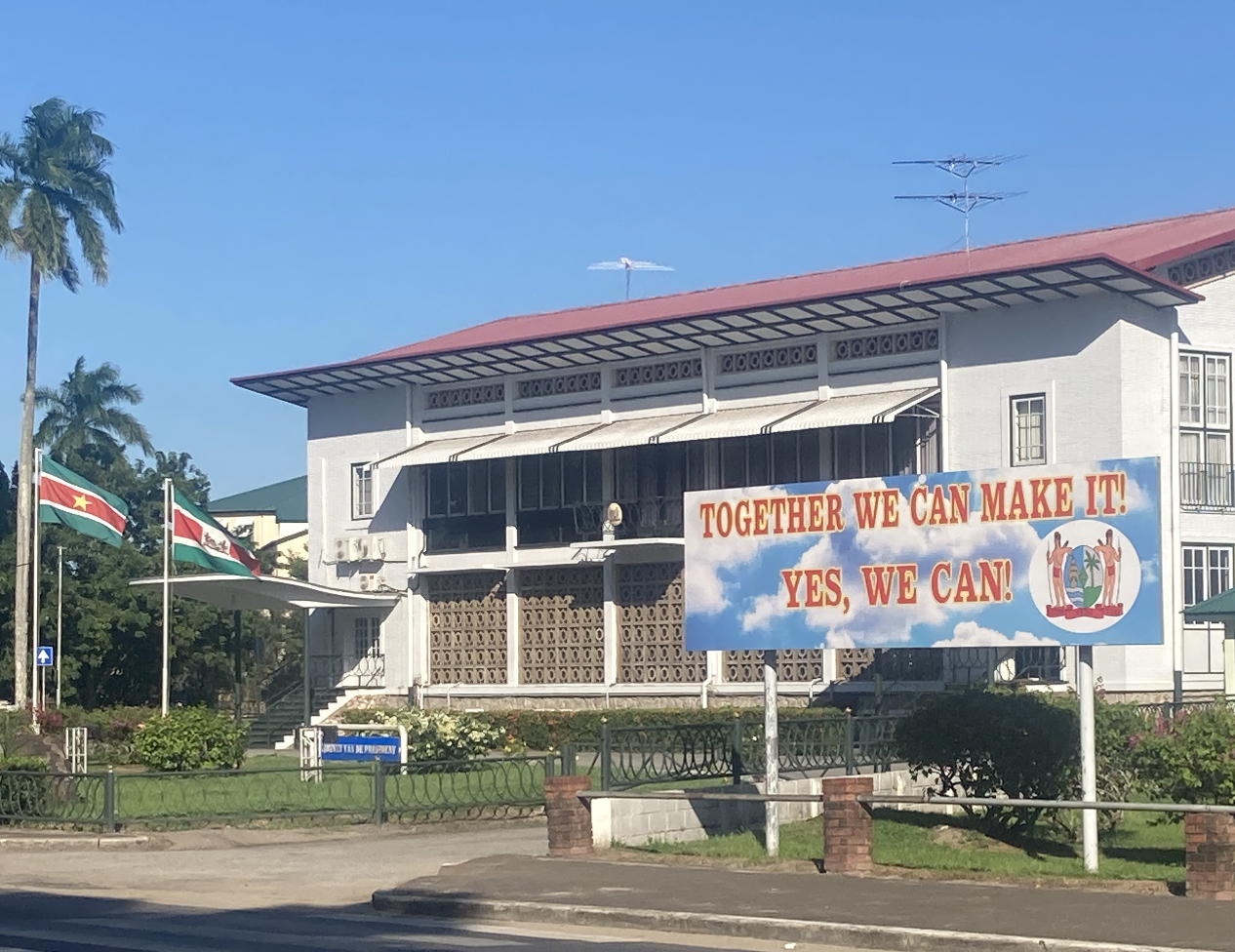
 Ziptone wrote about it before: in Suriname, the BPO service providers in customer contact are working on the establishment of an association. Provisional name: Association Contact Centers Suriname, VCCS.
Ziptone spoke with Pascal Matern (COO Teleperformance Benelux and Suriname and chairman) and Frank Meijer (managing director of Concentrix in Suriname and treasurer).
The VCCS, an initiative of employers who together form a sector, is 'work in progress'. While talking, Pascal Matern and Frank Meijer see the new club more as a trade association than as an employers' association, as becomes clear during the conversation. The VCCS therefore has several goals and ambitions. First of all, the founders want to ensure the right image. Or as Matern explains: "In the Dutch market, the impression is sometimes given that there is war in the Surinamese contact center market. That is not our reading."
Currently approximately 6.000 employees
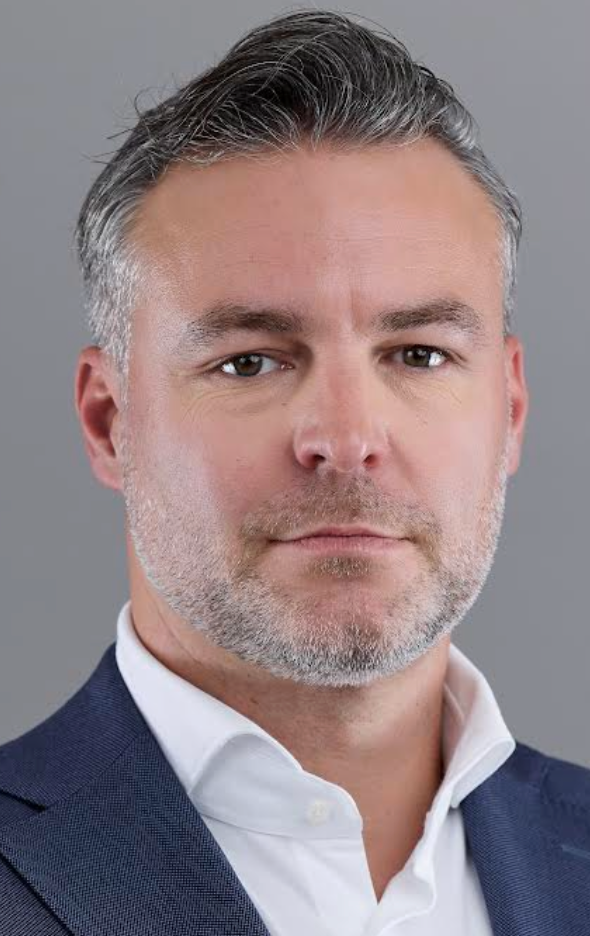
Pascal Matern, COO Teleperformance Benelux and Suriname and chairman VCCS io
Matern explains that Concentrix and Teleperformance took the initiative to set up an association together. “You are each other’s competitors, also in the Netherlands, but that does not mean that you do not continue to talk. Previous initiatives to start a conversation have not led to formal cooperation. With the size that the sector has now reached here – we estimate a size of more than 6.000 employees – it is important that we give a voice to our presence in Suriname. Almost all parties that joined the first discussions also agree that we want to give something back to society. An association could organize that well in addition to the existing, separate initiatives of various players. We also want to organize events for the group of employees, because there are currently no initiatives in that area.”
That is why the VCCS is also in discussions with the CCMA in the Netherlands, which will be discussed further below.
Putting customer contact on the radar of the Surinamese government
“One of the other objectives of the VCCS is to be able to enter into a unanimous dialogue with the government as an industry,” says Matern. “We have the idea to include a number of larger Dutch clients in an advisory board of the industry association. Samsung and Bol have already agreed, we hope to be able to add more names.”
From conversations with ambassador Walter Oostelbos, but also with other BPO players, the image emerges that the Surinamese government is mainly concerned with the oil and gas industry that should start in mid-2028. Despite the considerable size of the customer contact industry, it is not at the top of the list of the Surinamese government.
There is work to be done in that area, says Frank Meijer. “We want to give this sector a clear face for the entire population. What exactly do they do there, what does the future hold and what career opportunities are there now and in the future? We also want to talk to education. How can we further expand this sector? We would like to do that in consultation with the education sector.”
Concerns about 'gold diggers' and poaching
And finally, according to Matern, “the market is exploding” in Suriname. He believes that this is accompanied by developments that do not all benefit the sector. “We are concerned about players who behave like gold diggers or who ruin the reputation through incidents.”
Matern gives the example of a manager who changes employers, taking a few dozen employees from different contact centres to his new employer, for example because private telephone numbers have been kept, also known as poaching. “That is happening at the moment and we want to make agreements about that. Competition is fine, and people moving to another organisation because of better employment conditions, those are normal movements. But it must remain honest.”
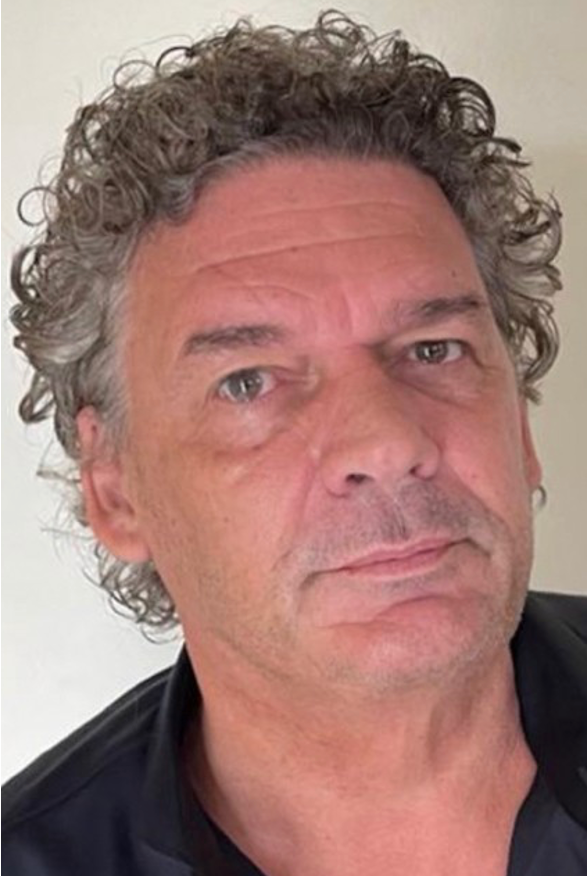
Frank Meijer, managing director of Concentrix in Suriname and secretary of VCCS io
Meijer adds: “Everyone who has established themselves here or is going to establish themselves here is invited to the table, also to become a member of the association. Within the VCCS we have something to protect and develop together. We are starting to stand out as a sector, so we will have to take into account how we come across and want to come across. To that end, we will have to share a number of principles with each other: this is how we want to profile ourselves, also towards our customers in the Netherlands. Of course, it also concerns matters such as privacy and data security. Where does everyone stand? Which standards do we want to apply? What are the intentions of the parties that are still busy building everything up?”
Healthy wage development
Matern explains that the standards and statutes of the VCCS are currently being worked on. “We are talking to the WFC and the KSF for input, but we also have our own ideas about where it should go. The board has been elected by the people who have been at the table so far and that is a good reflection of smaller and larger parties. There will also definitely be a contribution based on size.”
The anti-poaching policy is not the only hook with employment conditions. Although the VCCS is looking for the common denominator, members will undoubtedly want to retain freedom in the area of those employment conditions. How does the VCCS want to deal with companies that, for example, have above-average employment conditions?
Meijer says that this cannot be prohibited and wants to emphasize that it is important to continue to discuss this with each other. “You also have to look at the business interests of those parties. But apart from your own interests, you are also here to protect the continuity of the sector. How do we achieve healthy wage development together, compared to the local economy?”
Too big differences
Matern is convinced that there are no companies active in Suriname with high salaries and bad intentions. But he does think that there are differences of opinion about what is good for the country. “We have serious and heated discussions about this with each other. Sometimes clients are also at the table. In these discussions, both sides of the story are discussed. Perhaps we should have had these kinds of discussions at an earlier stage. The distance that some parties have created in the area of employment conditions – we would not have done that.”
Eneco 'shopped' at various service providers
Not only employers want to maintain influence on employment conditions. Eneco is known to have 'shopped' with various service providers to compare employment conditions packages. After that, the company put a 'demand' on the market for a large part of the customer contact. Eneco wanted to pay customer contact employees 3,21 euros net per hour, including secondary employment conditions and excluding allowances. Two relatively well-paid players signed this: Change and ETB.
Like almost all other players, Matern is also familiar with the Eneco example. “The discussion about remuneration is complicated, because there is a lot going on, including inflation. Teleperformance has had discussions about employment conditions with Samsung and with bol. Other parties have also had these kinds of discussions with customers. Whether Eneco has made a good decision with its working method, I will leave open, but in the coming period we will have these kinds of discussions more often.”
No quality mark, no minimum collective labor agreement
Based on new insights, previously suggested ideas such as a kind of quality mark and a minimum collective labour agreement have been abandoned. The latter is only possible in Suriname per company and not for an entire sector. Instead of a quality mark, a code of conduct is being considered, which members of the association must adhere to. In addition, the VCCS has spoken with the board of the Dutch CCMA. "We think it is important that things are also organised to put our employees in Suriname in the spotlight," says Meijer. This includes awards for employees at various clients, combined with a substantive section. "That gives family members of employees insight into what we do. That should be in place by the end of next year."
Contributing to society
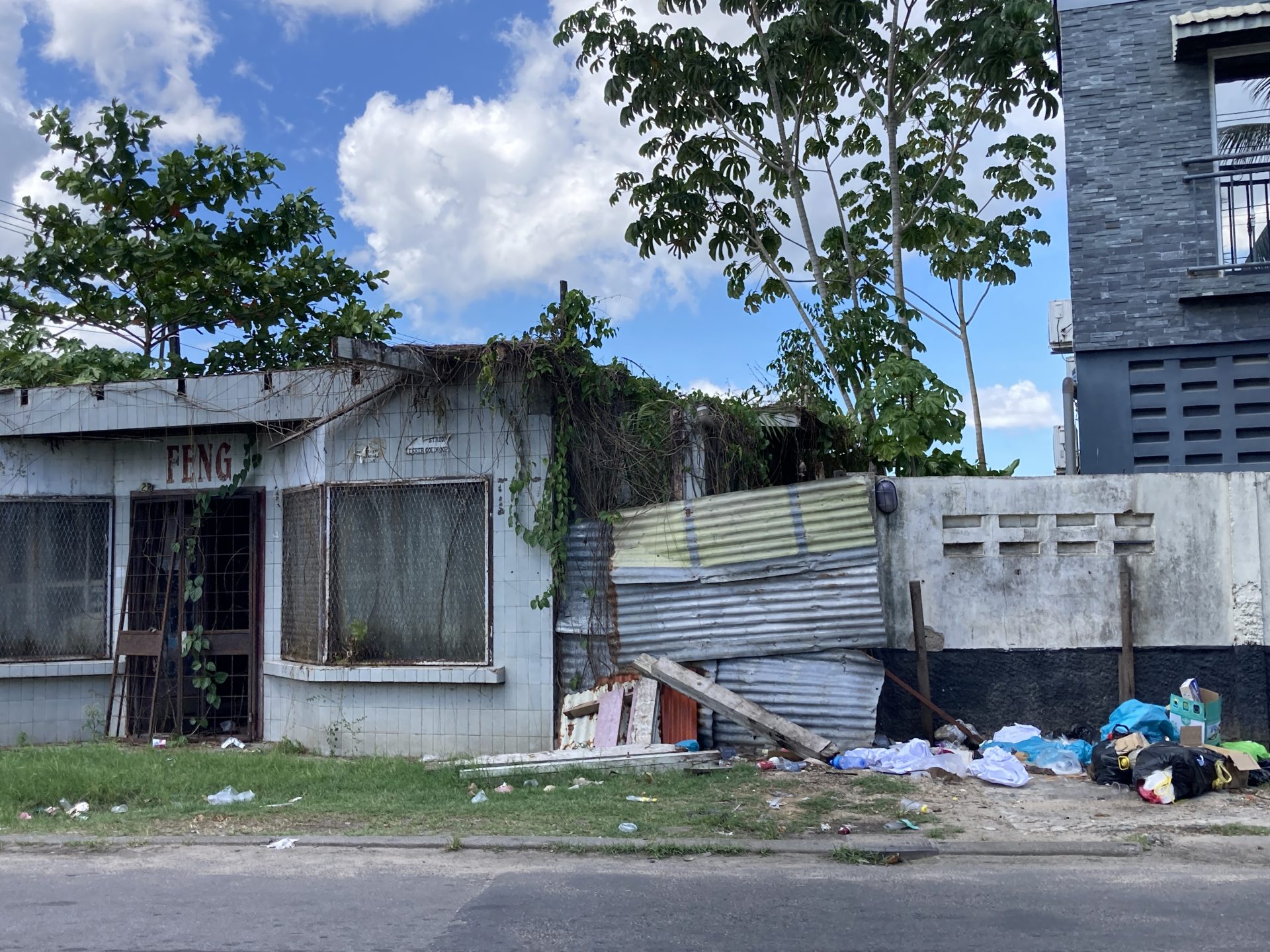 Giving back to the Surinamese society is essential, because the Surinamese government is making many mistakes. Certain parts of Paramaribo regularly experience flooding due to rainfall, causing houses to fill up and roads to become impassable. School buildings are not properly maintained and cleaned. Hospitals work with outdated equipment, mental health care is virtually inaccessible, while one in three Surinamese people has serious mental problems. Does the VCCS have plans to contribute in any of these areas?
Meijer: “Building dikes is not our strength. From the VCCS we mainly look at education and training, in a broad sense. We have to co-develop in this country.”
Matern: “It would be great if we could limit the brain drain by developing local middle and senior management. Access to middle management is a challenge for almost all BPO players, but we are well on our way and in a few years that should look different. Keeping smart people here is good for the country.”
Matern does recognize the need for mental health issues. “Teleperformance has confidential counselors, a company doctor, and psychologists are available. This is used much more in Suriname than in the Netherlands. It is certainly interesting to investigate what else we can add to society in this area.”
Concentrix has employee support programs in all locations, which also offer the option of bringing in outside professionals when needed, Meijer said.
“Suriname remains the only offshore location where the Dutch language is spoken”
Another aspect of sustainable entrepreneurship has to do with technological developments. These can have an impact on the future of the BPO sector. Meijer: “For everyone, it is like looking into a crystal ball: what technology will be available in the future, does it work well, what will be lost in terms of human customer contact and how good will the customer experience be? We keep our finger on the pulse. Looking at the demographics and the level of education here, I think the sector can grow to eight to ten thousand employees – based on the current constellation. At the same time, Suriname remains the only offshore location where the Dutch language is spoken.”
Meijer is convinced that there will continue to be a market for this – and also believes that this market should be further developed. For example, by increasing the problem-solving skills for more complex customer questions among employees. Discussions with educational institutions are also on the agenda. “There will be elections here soon. We will make sure that we are well prepared to enter into discussions afterwards.” (Ziptone/Erik Bouwer)


Also interesting
-

Listening line, the telephone helpline that is available day and night for every resident of the Netherlands, could use expansion.
-

The Surinamese government advises customers to use digital channels as much as possible.
-

The new location replaces an old location that will close in early 2024.