
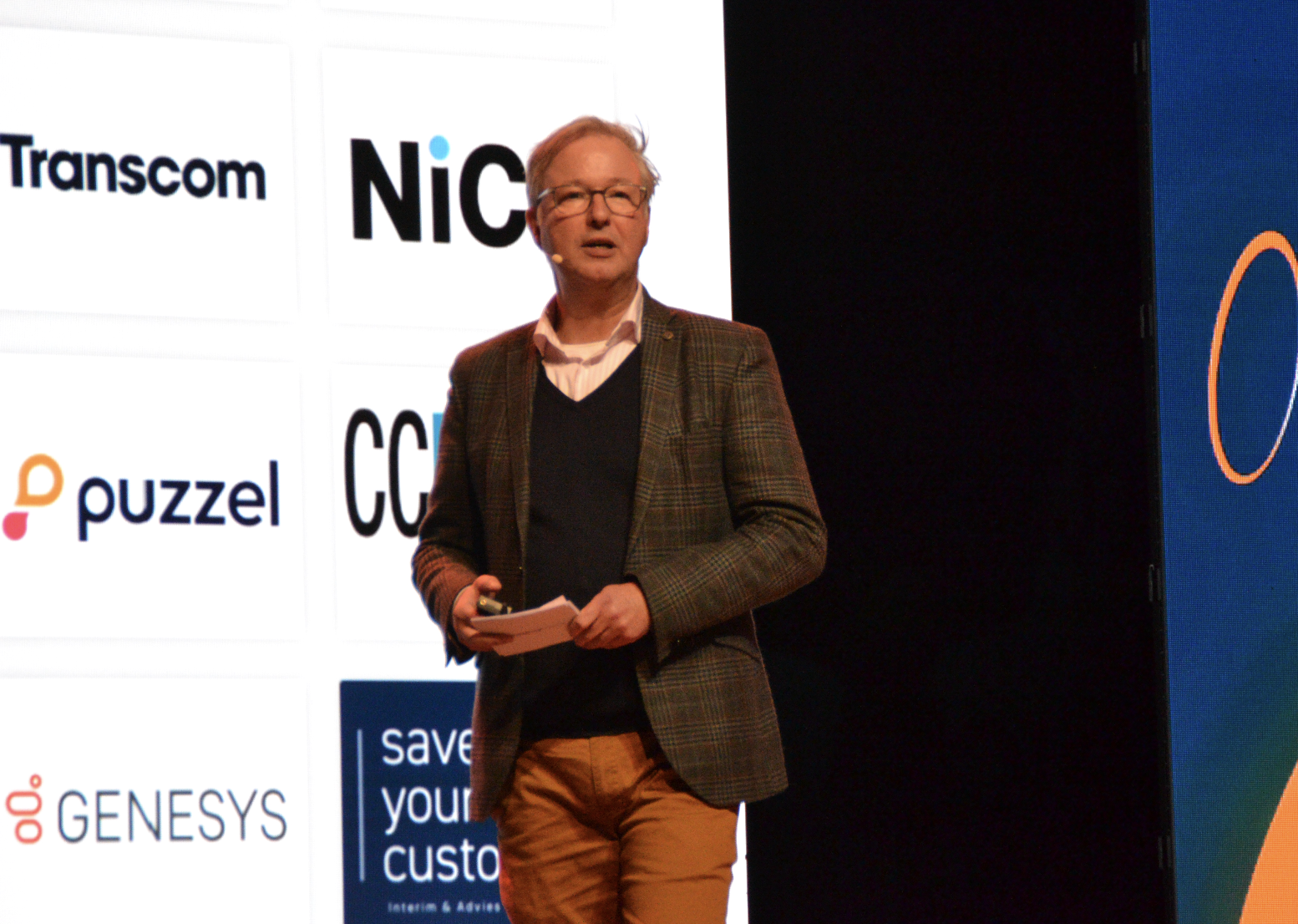
 I have no idea what the other attendees thought, but finally, there was a customer contact conference without keynotes about AI. The icing on the cake was the festive presentation of the Customer Contact Quiz awards at the end. The KSF also had something to celebrate: after roughly twenty years of debate about quality marks and standards, there is now a Code of Responsible Market Conduct.
Customer contact professionals give themselves an average rating of 7,4 when it comes to their future preparedness. This was one of the interim findings (the research is still ongoing) from the KSF Trend Panel, which Roel Masselink announced during the opening of the annual conference.
But as I said the real news was the unanimous agreement with the Code of Responsible Market Conduct During the KSF AGM, preceding the conference, Masselink explained: "This code should provide guidance on how we want to collaborate within the supply chain. We want to set the standard and help organizations improve." The trade association is gradually working towards a quality standard. The Sector Council, which handles reports of alleged violations of the Code, has also been established and consists of KSF director Roel Masselink and Dirk-Jan Hildebrand.
Customer contact is the gold of the organization
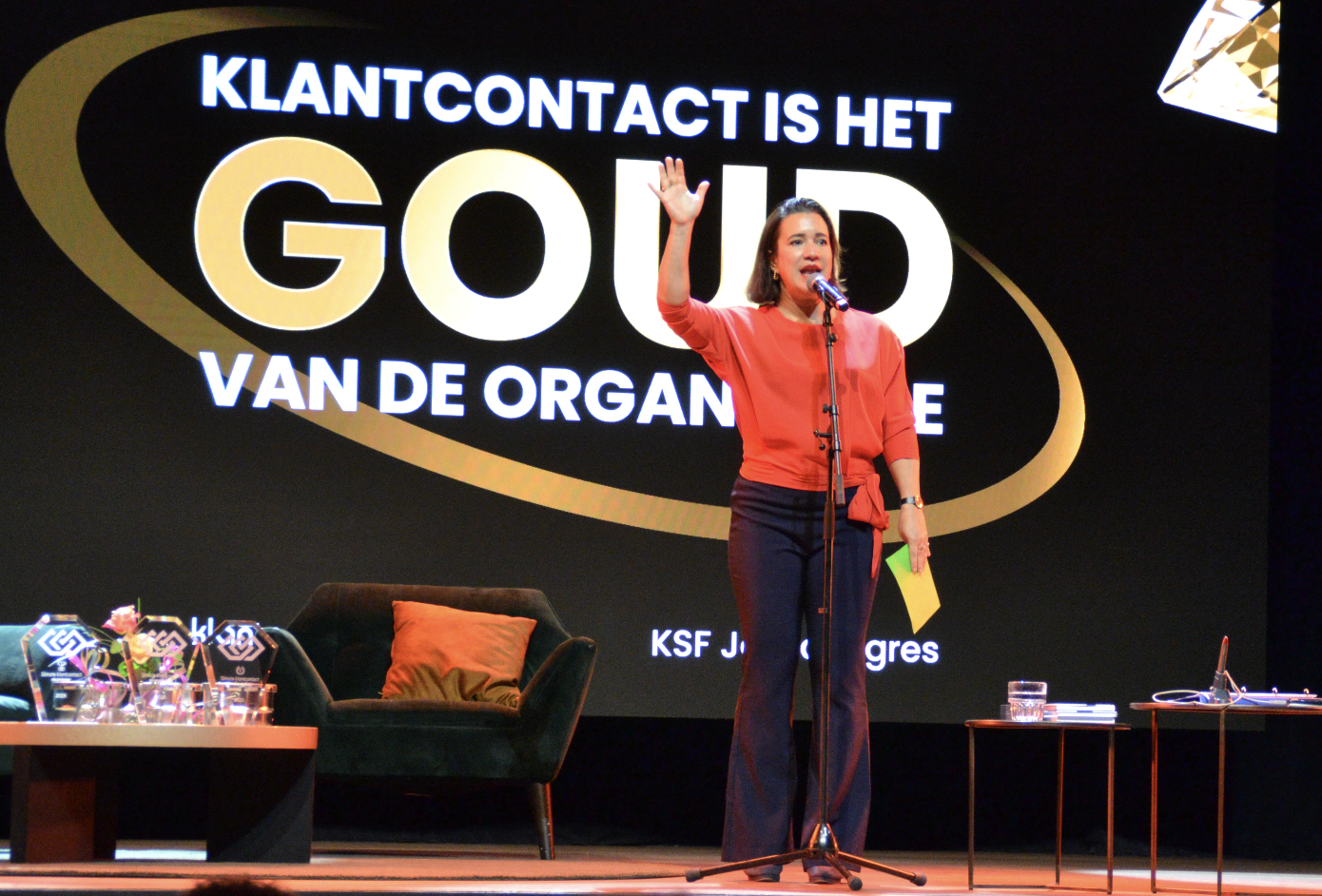 Casper Overbeek and Jos Burgers were the two keynote speakers, interspersed with a series of parallel sessions. Both speakers perfectly captured the theme of "customer contact is the goldmine of any organization." Both Overbeek and Burgers successfully explained the added value of customer contact (more on that below).
It was refreshing that neither keynote addressed AI or channel strategies. This undoubtedly differed from the parallel sessions. Moderator Nina de la Croix also carefully avoided the word "AI." Instead, she surprised the audience with humor, self-deprecating humor, and quirky questions. And by making the attendees rain down: the added value of a theatrical animal as moderator.
“Customer Service is for the crazy ones”
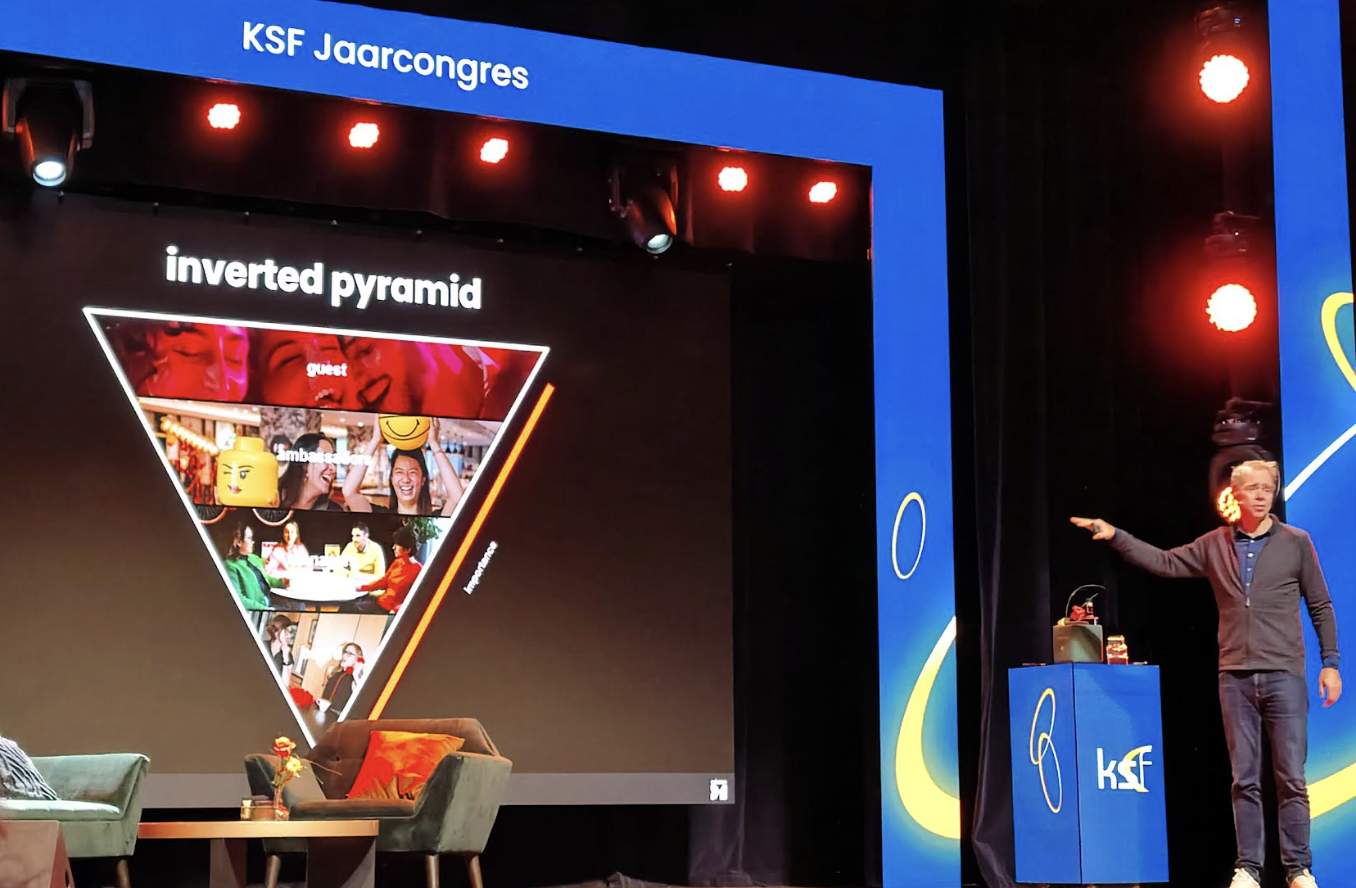 Casper Overbeek (formerly of KLM, formerly of Bol.com, and currently CPO at citizenM) explained how the hotel chain has put the customer first, rather than the center of the organization. "Customer Service is for the crazy ones," was Overbeek's response to the ongoing debate about cost centers and profit centers; "People don't always understand the profession." Fortunately, they do at citizenM, if Overbeek is to be believed.
The hotel chain – that is to say the brand name and the IP – was acquired by Marriott last spring, but the citizenM hotels remain in the hands of the original owners through a franchise.
According to citizenM, time and empathy belong together
Overbeek explained how citizenM (the M stands for mobile) caters to experienced travelers with high standards. The rooms aren't particularly large, but they do feature smart amenities and an excellent bathroom. The staff has the explicit mandate to make a difference where needed. Each hotel has a limited crew of about five people who, if Overbeek is to be believed, can and are authorized to do everything possible to support the customer. The employee arranges (and pays for) a taxi if the guest is in a hurry or stressed, and can offer a night's stay in case of problems or complaints. According to citizenM, time and empathy go hand in hand. Food for thought for the average contact center manager who swears by empathy as a human skill par excellence: does the average customer service representative also get that time?
Hire for attitude
There's a lot of trust, little control, and hotel staff are hired at citizenM based on attitude – we can train the rest, says Overbeek. There were already plenty of digital options available for guests. When hotel staff received an app, it was expertly ignored. "A classic case of not understanding what was truly needed," says Overbeek.
The app was then redesigned to incorporate surprising employee requests, such as the ability to remotely reset jammed iPads in every room. To stay connected with the workforce, managers are working shifts in both the hotels and within the chain's central service team, according to Overbeek.
The head office is called support office
citizenM's service team, called Connect, is available 24/7 and consists of forty customer service representatives spread across Taipei, Paris, and Schiphol Airport. Half of the queries are now handled using AI, but the team remains essential for gathering feedback and identifying pain points, which are reported weekly.
citizenM also reverses the management of all this: the guest is at the top of the inverted pyramid, and the head office is at the bottom, called the "support office." Leadership focuses on facilitating and weighing what contributes to the chain's mission. Are free movies making a difference? No, so those were eliminated.
'Valuable', which stands for scarce and attractive
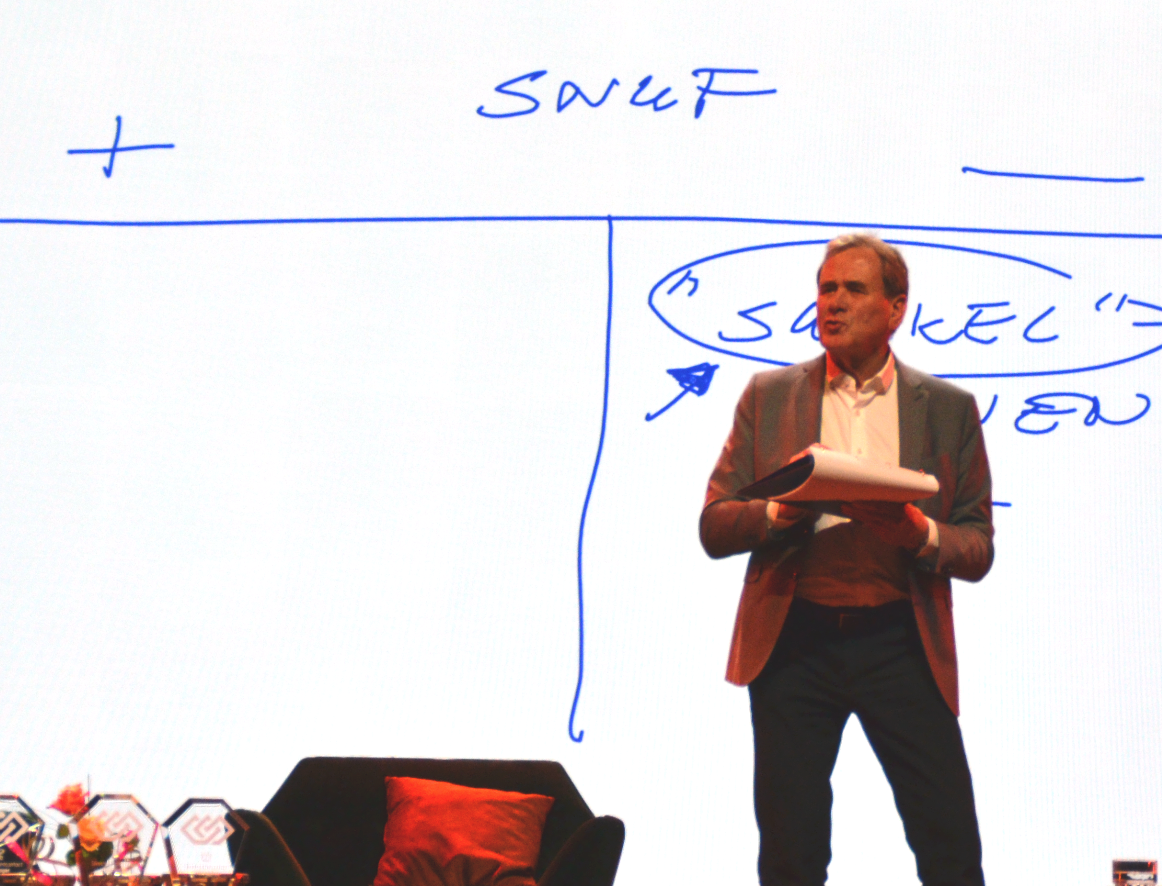 Jos Burgers, the second keynote speaker, was scheduled before the Customer Contact Quiz award ceremony and the drinks reception. Burgers (author and speaker on marketing and customer focus since 1995 and more) miraculously managed to hold his audience's attention. His often hilarious yet obvious one-liners were a hit: the audience regularly laughed at his extremely down-to-earth approach to customer service.
"Valuable" means "scarce and attractive," and that also applies to customer contact, according to Burgers. In other words: contact with your customer should be cherished, but also used wisely. Don't: use sentences with the customer that could easily be labeled "idiot." Do: compliment the customer first instead of immediately answering their question. And ask more often what the real problem is: is someone looking for a "drill" or a "hole in the wall"? Burgers' suggestions could very well lead to a longer average call duration, although he himself stated that these interventions would actually shorten it. As mentioned, the relief in the room was almost palpable that this session wasn't about AI either. A good choice by the KSF.
(Ziptone/Erik Bouwer)


Also interesting
-

The code is primarily a starting point for an ongoing dialogue with members and the sector about what constitutes responsible market behavior,…
-

The Sector Council is the body of the KSF where reports can be made regarding compliance with the Code of Responsible Market Conduct.
-

The members of KSF, DDMA, and Goede Doelen Nederland are bound by the Telemarketing Code by virtue of their memberships.