
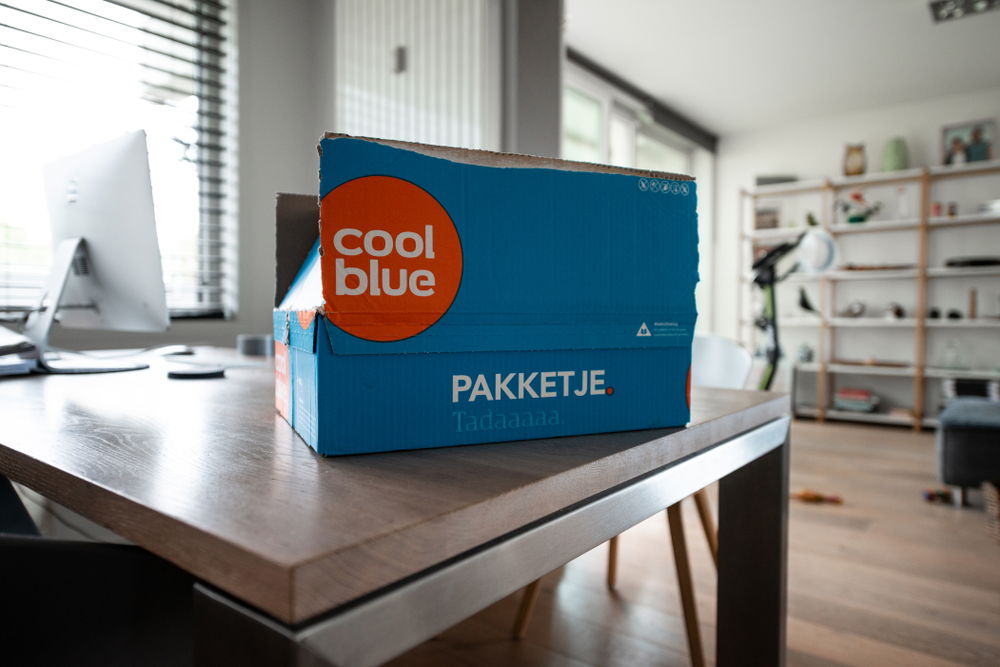
Image: David Peperkamp / Shutterstock.com
My espresso machine refuses to make a cup of coffee: after the first repair, it's broken again. That can happen, of course, but it doesn't help that Coolblue's customer service department is also broken. A travelogue.
While you normally have to arrange repairs and warranties with the store where you bought the product, Coolblue simply turned things around in this case: the online store referred me to an unnamed repairer. They were supposed to contact me within two business days after submitting my repair request – visible in my account as a "return number," but they didn't. Because Coolblue also outsources control in addition to the repair, I had to take action myself. So I chatted with Coolblue.
Return number?
The first point of contact, Coolblue's 'digital assistant,' couldn't do anything with the return number Coolblue provided. I was supposed to be connected to a specialist, the chatbot said: "This specialist knows what you just discussed with me." That chat session was a bit hit and miss and lasted about 20 minutes. The solution: the employee would recreate the repair request. "Haven't heard anything after two business days? Let us know right away, and we'll look into it right away," the chat said. In customer service, reactive and proactive coexist peacefully. No effort was made to investigate what exactly was wrong with the machine. I was, however, asked for feedback about the customer contact afterward. Another example of one-way traffic on the customer journey highway: you never hear anything from that feedback again. And I received another email from Coolblue explaining the next steps. That felt a bit like repeat business.
Gap between tech and CX
Then things turned out well. After a call a few days later with a very kind employee from the Siemens/Bosch repair department (who turned out to be located in Tiel) to properly plan the logistics and repair, the coffee machine was picked up, inspected, repaired, and returned. After a hesitant start, a happy flow after all?
But a few more days and quite a few cups of coffee later, the device broke down again. You'd think, new round, new opportunities, but the customer journey that followed was completely identical to the first. Again, the repair company didn't call back after registering the repair (waited more than six business days to be sure); again, on hold with Coolblue, who missed the opportunity to ask for the repair number through the open-ended voice recognition. Is this the much-discussed gap between technology (so much is possible) and customer experience (customers don't reap the benefits)? Either way, the device sat gathering dust for days for the second time.
Will Pieter Zwart soon be bombarded with calls?
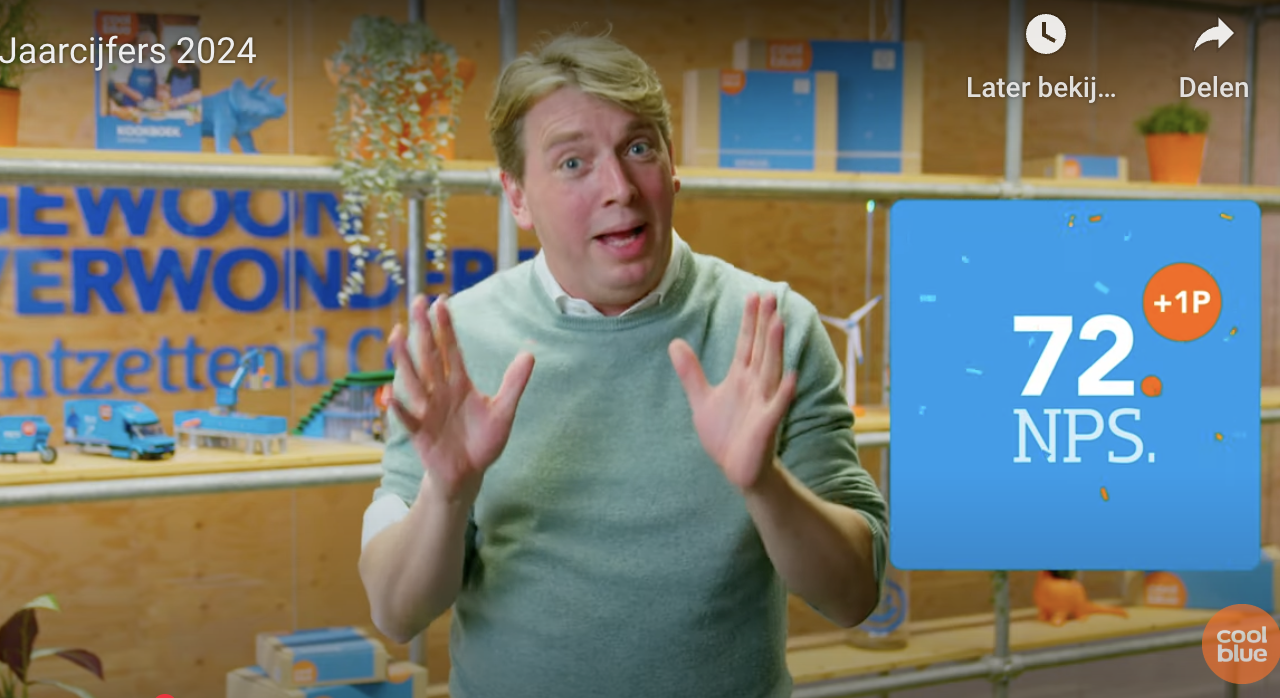
Image: still from video about presentation of 2024 annual figures, Coolblue (YouTube)
The customer service representative from the second journey also needed a considerable amount of time. She then returned with a predictable outcome: she had reactivated the callback request for the repair service, saying I would be called back within two business days. What happened next will surprise you: nothing—or exactly the same as the first round. The process is flawed, but at least it's standardized.
Okay, after three business days instead of the promised two, I received a call. Another pleasant conversation, including an appointment to pick up the device. That part of the journey is going well.
The 'customer experience' at Coolblue raises an endless series of existential doubts in this coffee machine case. Am I hallucinating? Is this what they mean by repeat traffic? Is Coolblue a learning organization? Does open-ended speech recognition work? Is there really no way to connect the chatbot to the 'return number'? Will Pieter Zwart soon be inundated with calls from suppliers eager to fix such a connection? Isn't it time for a real chatbot at Coolblue? And finally: is Coolblue aware of the existence of the unhappy flow?
(Ziptone/Erik Bouwer)


Also interesting
-
Customer services incorrectly inform consumers about warranty periods and rights regarding repairs, for example. The FAQs are also often incorrect.
-
Tibber, United Consumers and Zonneplan are the three best energy suppliers, says Energievergelijk based on more than 10.000 reviews.
-

In previous roles, Scheuer was Product Owner and Expert Lead Workforce Management & Partner Management at Eneco.