
Image: Ziptone
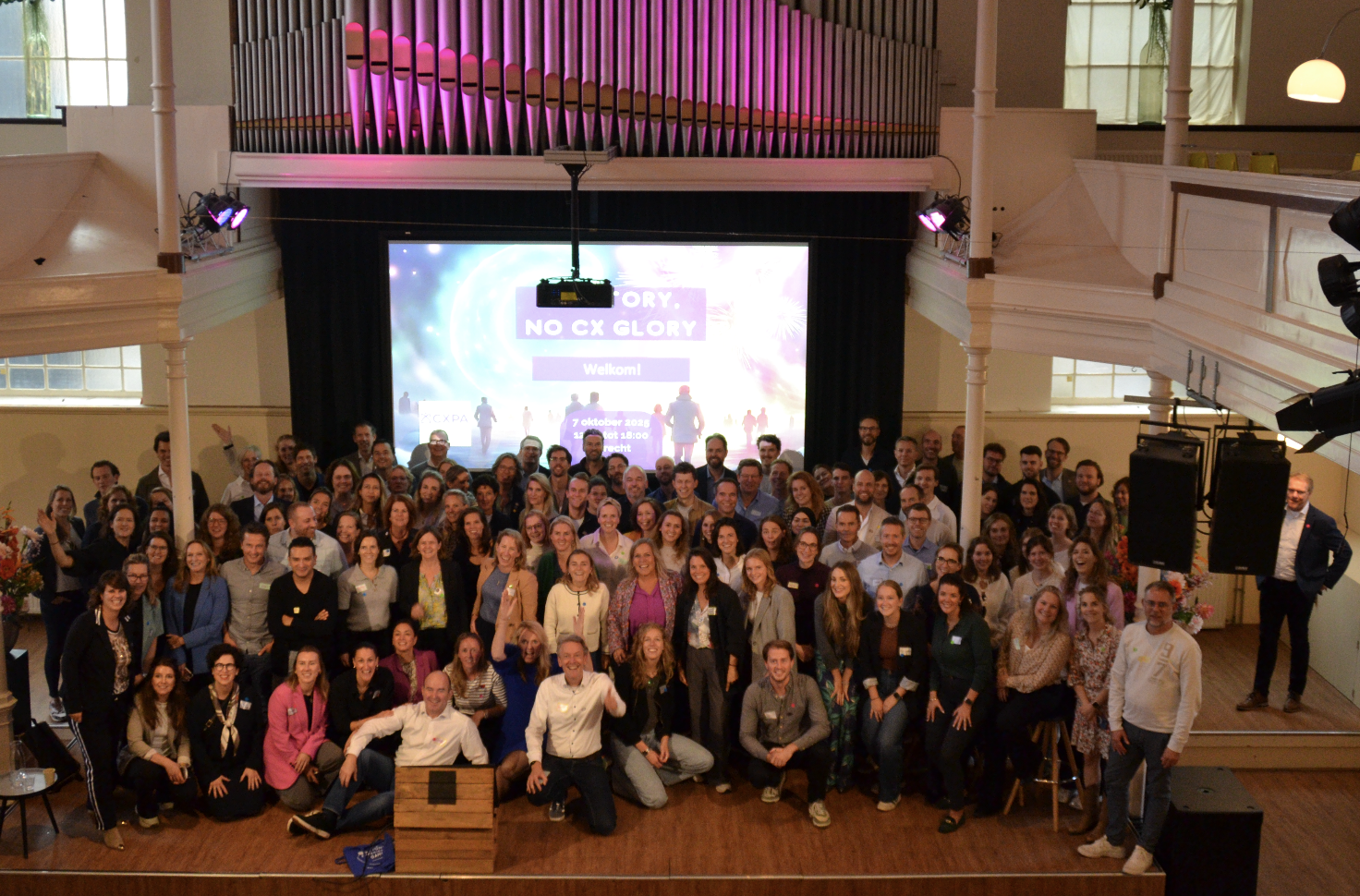
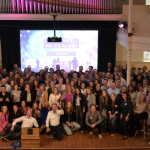
Yesterday, the first Tuesday of October, was CXDay worldwide. CX professionals from the CXPA gathered on every continent. In Utrecht, there was also a gathering for Dutch customer experience professionals (and a few Belgians). CX Day wasn't about polished, traditional presentations; it was more like an afternoon full of professional development.
CXPA NL had once again rented a church in the center of Utrecht and devised a well-defined theme for the event: how do you tell stakeholders why CX is so important? Explaining what CX is, and especially what the CX team does, is often a stumbling block, according to Nienke Bloem. "Jingling about journeys and surveys doesn't help."
The Dutch chapter of the CXPA (Customer Experience Professionals Association) is, according to CX evangelist Nienke Bloem, the second largest in the world.
How do you explain internally what a CX team does?
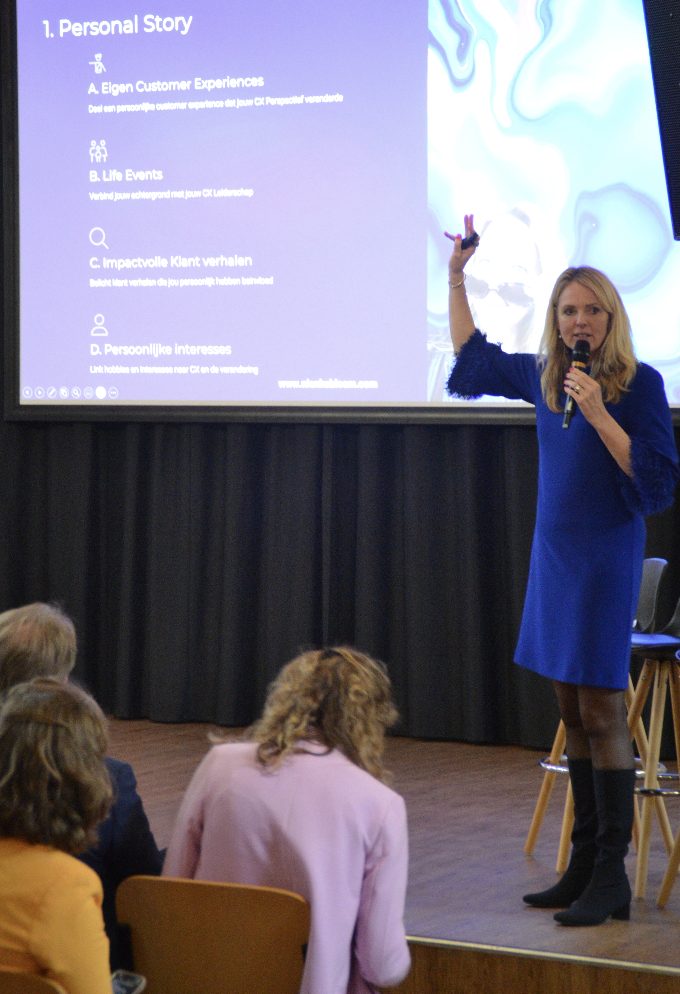
Image: Ziptone
Bloem is one of the most visible proponents of CX thinking in the Netherlands. Besides her role as advocate, she also enthusiastically takes on the role of lecturer. For example, she literally gives her audience time to take notes in a specially designed notebook. In her presentation, she peels back the building blocks and cement of a good CX story. All in all, it's quite a laundry list: a good 'CX story' conveys authority, connects with the message, and resonates—for example, by adding personal elements that resonate. But a good CX story is also consistent and must be repeated regularly. And it must contain a sense of urgency. What's at stake?
An example Bloem gleans from her career: years ago, KPN's NPS was -14 and customers were leaving; there was a lot of repeat business with customer service, and the company was perceived as arrogant. If CX didn't improve, business results would plummet. A good CX story also includes a clear call to action: what are we going to do about it? KPN's CX strategy at the time was action-oriented and clear: "More customers, fewer calls." In other words: removing friction plus digitizing.
Read also: “Customer service failed to claim CX”
Effective CX stories
Three speakers then demonstrated how they effectively implemented their CX story within their organizations, addressing the audience as "their management." Susan van Wijk (KVK) took her board of directors along on a journey through the stories of entrepreneurs who, through no fault of their own, are faced with the complexity of government-imposed regulations and procedures. She believes that empathizing with the customer is paramount. Her story painfully demonstrated that customer experience programs can also have a societal urgency.
Fourteen years ago, the online platform bol.com had a handful of sales partners; now there are 47.000, generating 60% of the company's revenue. Fourteen years ago, bol.com hadn't yet invented the partner experience ('PX'). For lack of a better option, partners had to upload their product data via FTP to what was then bol.com. The rapid growth of the platform model naturally necessitated well-organized customer service for partners.
Edward de Sonnaville, head of partner experience, demonstrated how PX is structured: in addition to a well-thought-out strategy, there are also plenty of practical actions such as analyzing data and presenting it in dashboards, holding discussions with partners that include senior leadership, and, of course, continuously implementing improvements. Another useful tip: PX team meetings always begin with a "partner quote" that aligns with the agenda.
CX team meets contact center
The third practical example of Irene van Hoorn (Brand experience lead at Eneco) inadvertently highlighted where tensions can arise between CX and operations. Eneco had been a leader in the energy transition since 2007, including with Toon, the interactive display for customers. COVID, the energy crisis, and restrictions from the ACM (Netherlands Authority for Consumers and Markets) put considerable pressure on the company, according to Van Hoorn. How do you regain market share and restore your position as a leader in sustainable energy solutions for consumers? The CX program focused on excellent customer experience, among other things, but also achieved significant cost savings and contact reductions (-30%). Whether this excellent customer experience is also perceived in this way by all customers is the question; Eneco is one of the energy suppliers that has repeatedly been in the news in recent years for difficult-to-find phone numbers from customer service.
A customer case every day
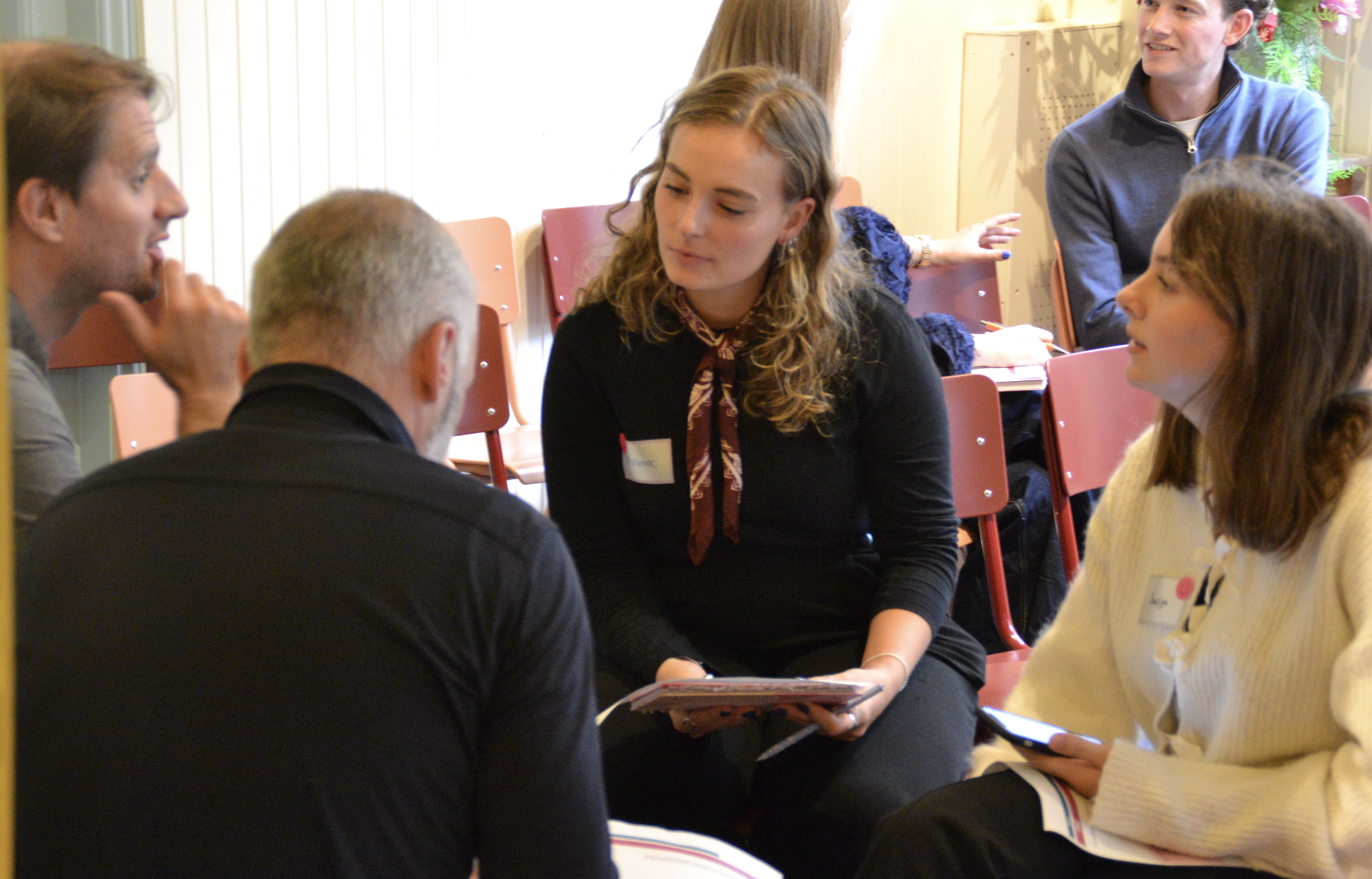
Image: Ziptone
After the plenary sessions, where the approximately 120 CX'ers had already been put to work, four parallel sessions followed, with in-depth discussions on the plenary theme, provided by the four sponsors. Ziptone attended the session where Lieke de Schipper Altuïtion cited the example of the Ritz-Carlton hotel chain, which instructs employees to discuss one example of one employee with one customer each day during the daily standup. "Sharing customer stories is part of the internal culture," De Schipper said. An interesting question in itself: how often and where are real stories about real customers shared within organizations?
The participants then broke into subgroups with a task. Three people from each session's subgroup took the stage to pitch their CX story. Both optimism and energy were evident among the CX professionals.
What is the effect on the customer?
At CXPA, the audience is different from the average customer contact event. CX professionals work across all sectors; they generally lean towards marketing and communications. The question then is how well the collaboration with the contact center is working, where listening to customer stories is core business. At the same time, the customer contact sector can still learn a lot from CXPA. After all, there's no professional association in customer contact that educates, trains, and certifies professionals. A large group of people on stage in the church received a pin, including employees from Eneco, Bol.com, KLM, Stedin, and APG.
It's good that organizations invest in professionals who, with some distance from operations, address the customer's perspective and interests. Customer experience (CX) can be a valuable counterbalance to customer contact operations; while the latter tends to focus on "costs," the former may be more concerned with "what is the impact on the customer?"
(Ziptone/Erik Bouwer)


Also interesting
-
The impact of digitalization and automation on customer experience is growing. CXPA Netherlands – an organization with a mission – wants…
-
Yesterday, the board of the Dutch chapter of the Customer Experience Professionals Association (CXPA) met for the last time.
-

On Global CX Day, October 6, 2026, Nienke Bloem and Ian Golding introduce CXLM: Customer Experience Leadership Master.