
Every healthcare institution has customer contact: with patients, clients, chain partners, and informal caregivers. It is therefore not surprising that four parties decided to develop an entirely new conference: 'Customer Contact in Healthcare'. The first edition takes place on October 6.
The program new congress is the result of a new collaboration between CKC Seminars (known for the KCC Congress, aimed at the government) and sponsors NTT Data, 3Fiftynine, and Quality Contacts.
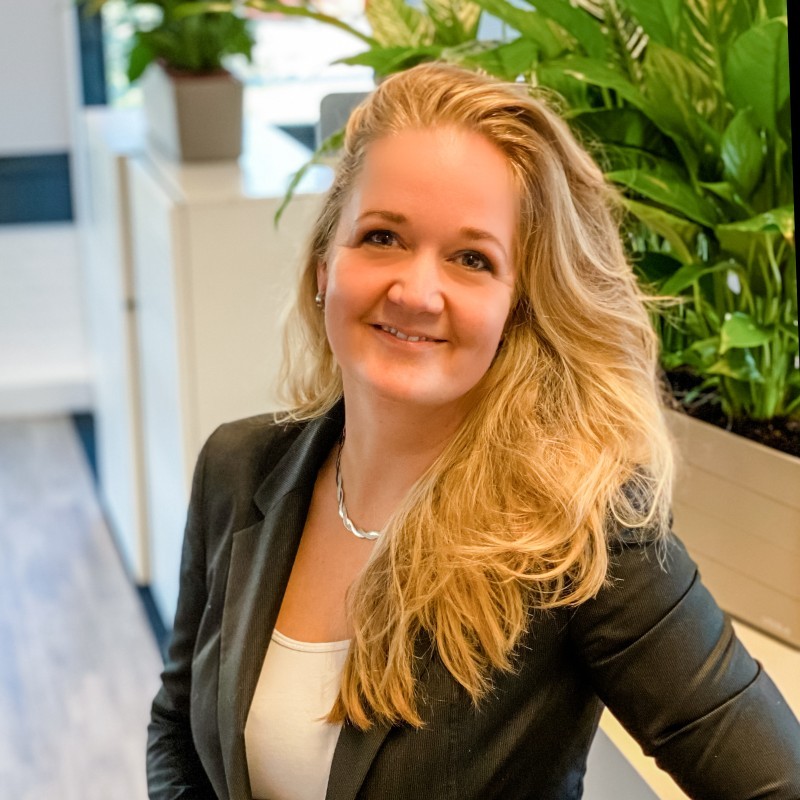
Kim Vermue, Quality Contacts
“In the fields of technology and healthcare, there is plenty of conferences for sale, but until now, there was nothing for customer contact in healthcare. That is quite remarkable, because customer contact plays a role in every healthcare domain,” says Kim Vermue (business manager sales and marketing, Quality Contacts).
Healthcare is a broad field. Inpatient, outpatient, home care, academic and peripheral hospitals, private clinics, dentists, physiotherapists, medical aids. Can you lump all customer contact in healthcare together? Or should we break up the healthcare sector when it comes to customer contact?
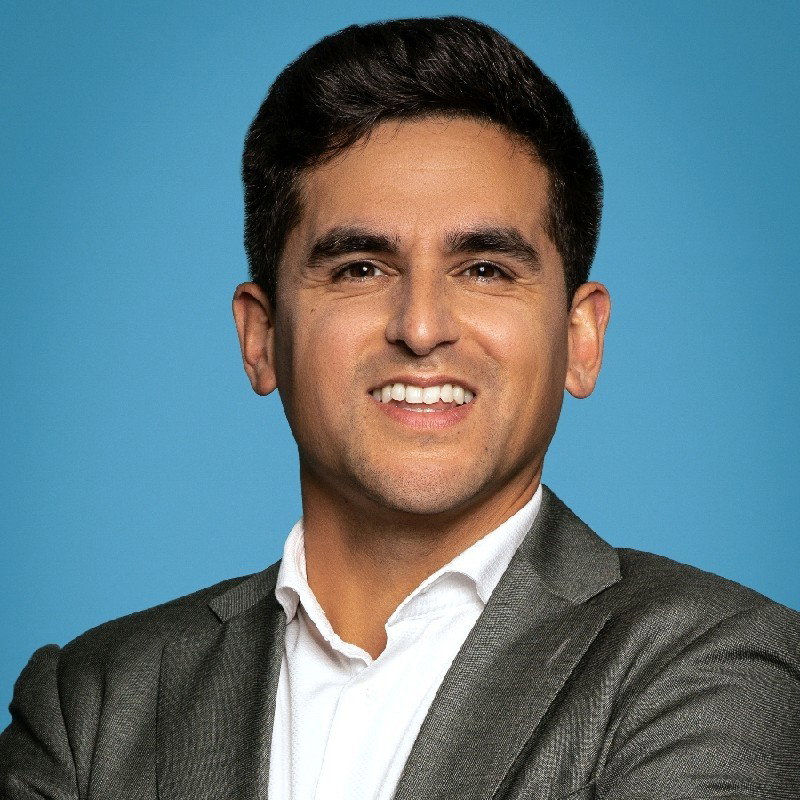
Wouter Seinen, NTT Data
Vermue: “You definitely have to break down the sector. The differences between all the components are significant. The dynamics in a hospital are very different from those within a diagnostic center or the medical devices sector. There are similarities, too. For example, the pressure is high everywhere for various reasons – ranging from high demand to budgetary and labor market factors. The type of customer inquiries also varies. In hospitals, it often involves appointments and scheduling, while in VVT (home care), contact with clients and informal caregivers plays a major role. With medical devices, it is largely about logistics and service provision.”
Wouter Seinen (Client manager at NTT Data for the healthcare market): “The Dutch model starts with primary care – the GP is the first point of contact and can be approached directly, whereas other institutions are only accessible after a referral. This also has a major influence on how client contact is structured.”
The healthcare sector faces continuous financial pressure and a high workload. To what extent does technology help alleviate that pressure?
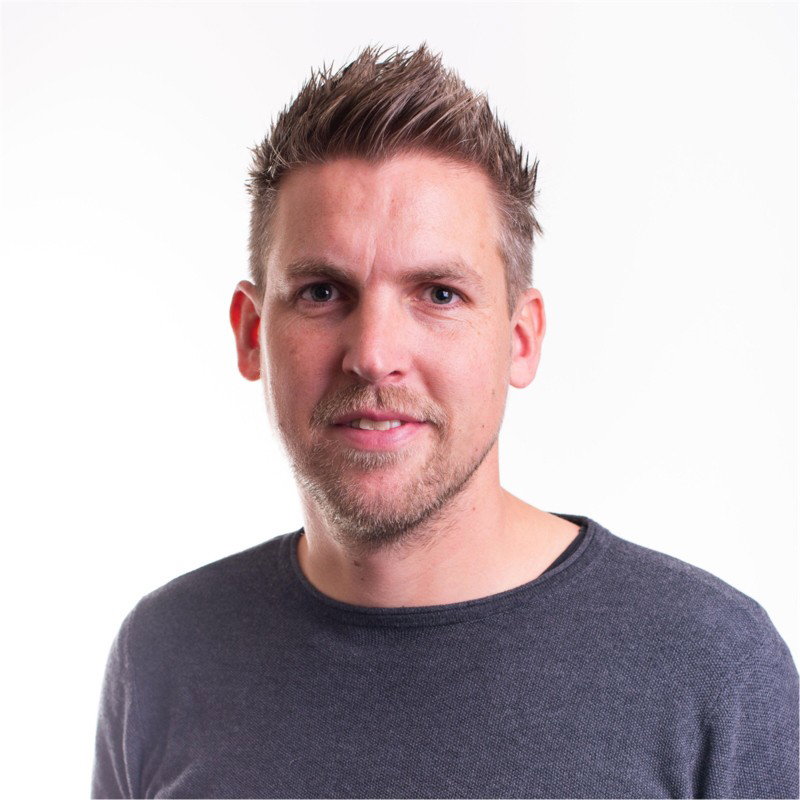
Evert Waaijenberg, NTT Data
Evert Waaijenberg (Solution Architect CX at NTT Data): “Healthcare staff have been complaining about the amount of administration for decades. Technology can take over part of that administrative burden. Think of automatically summarizing consultations or reports.”
Vermue: “But in general, you can say that the healthcare sector lags behind the business world by a few years in certain respects.”
A frequently heard argument is that scaling up innovations in healthcare is often difficult. Do you have an explanation for this?
Seinen: “Healthcare is organized as a stable and regulated entity with many standard work processes and protocols. A technological change often also amounts to a change in work processes, and that in turn leads to extra workload for healthcare workers.”
Vermue: “There are shortages everywhere, which makes it difficult to free up extra capacity to tackle these kinds of topics. Another factor is that matters are often not addressed collectively. Many departments consider themselves unique compared to the rest, which limits collaboration. As a result, innovations, especially in larger organizations, are taken up by department rather than by the entire organization. If a pilot were to fail at the organizational level, that would naturally have a huge impact. But if you zoom in on the real questions and processes, that uniqueness isn't as significant as it seems – you see this particularly in outpatient clinics. Setting up certain processes collectively is often something people find daunting.”
Seinen: “Steps are certainly being taken in the area of collaboration. In the north of our country, for example, a number of hospitals are collaborating on the development of a joint EHR.”
Waaijenberg: “There is market competition in healthcare, so all healthcare institutions can make their own choices and have their own budgets.”
Seinen: “Many decisions affecting work processes are made at the board or management level. This also applies to matters such as innovation or the centralization of customer contact. Furthermore, in healthcare, demand exceeds supply. Therefore, the focus is primarily on the care process and less on surrounding matters, such as customer contact. The healthcare consumer knows that the healthcare system is overloaded. There is almost always a waiting time that can increase.”
The conference focuses specifically on customer contact. Is there sufficient knowledge and vision regarding customer contact at the Executive Board level?
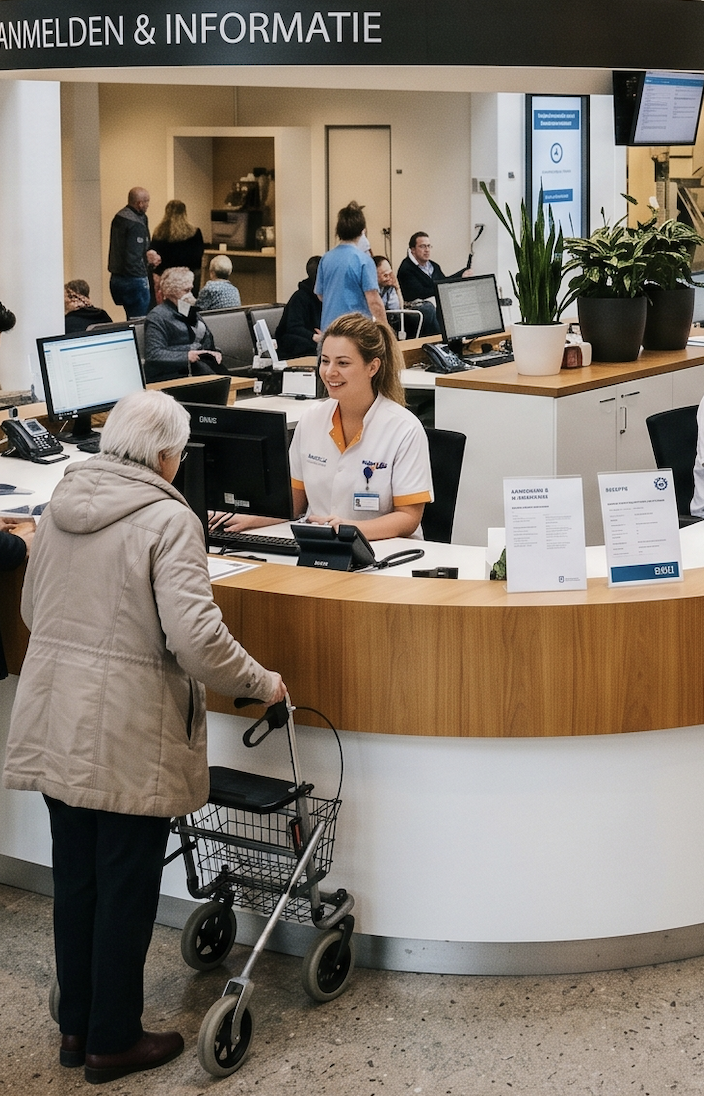
Image: Ziptone/AI
Seinen: “The differences between care institutions and hospitals are too great to give a general answer to that. Furthermore, it is not just about knowledge, but also about attention: what do administrators consider urgent and what is important? At some institutions, there is a lot of attention paid to client contact, but very often it is also a neglected aspect.”
Waaijenberg: “Sometimes a process is running well enough not to change. But returning to your question about knowledge and vision: that is one of the reasons we are organizing this event. We want to ensure that knowledge about customer contact in healthcare becomes more readily available. At the KCC Congress, too, we often hear participants amazed at what is possible.”
Seinen: “There are a tremendous number of possibilities and solutions in the field of customer contact. We want conference attendees to hear different stories, from which they can conclude for themselves whether they align with their challenges. This also applies to the demo setups that will be on display at the conference. Think, for example, of a smart microphone that can translate in real time, so you don't have to wait for an interpreter.”
Vermue: “As initiators, we have different perspectives, and people will see that reflected in the program. Furthermore, we pay explicit attention to frontrunners and good examples. And the conference and breakout sessions are small-scale. So there is plenty of room to exchange experiences or make connections in an accessible way.”
Who would you like to have as conference attendees?
Seinen: “First and foremost, of course, customer contact managers in healthcare. In addition, there are many healthcare providers involved in innovations, customer contact, and technology choices. And naturally, executives, who can draw inspiration for their strategy or vision.”
Vermue: “We are also thinking of project managers, quartermasters, and program managers, whose task is to steer innovative projects in the right direction. IT managers and CIOs involved in customer contact are also welcome.”
And just for the record: why is good customer contact essential in healthcare?
Vermue: “Well-organized client contact yields direct benefits for the client and patient. You get help faster, it reduces stress, and that contributes to a faster recovery. Good client contact contributes to a more efficient workday for healthcare professionals because you can eliminate repetitive tasks.”
Seinen: “We sometimes forget that good customer contact is also essential for the enormous group of informal caregivers. Care institutions expect that an increasingly large part of care provision will be shifted to them. For this group, it is very difficult and time-consuming to get in touch with care institutions. There is much to be gained here.”
Customer Contact in Healthcare – Tuesday, October 6, 2026
Customer Contact in Healthcare is for all professionals who daily serve as the first point of contact for patients, clients, and their loved ones in healthcare. They are responsible for and involved in customer contact and customer service in the healthcare sector, where the human touch is central more than anywhere else. Ziptone is a media partner of CKC Seminars.
(Ziptone/Erik Bouwer)


Also interesting
-
Customer contact is closely intertwined with care processes and business operations. There are plenty of challenges, as became apparent during the first Customer Contact in Healthcare conference.
-

Koen Kas – futurist, healthcare expert, and keynote speaker at the upcoming Customer Contact in Healthcare conference – advocates for a different…
-

Literally seeking out residents instead of waiting for them to come to the counter. That is what the Municipality of The Hague is doing with…